The GAIGI Architecture: Senator Reed Signals 'Hard Reset' on Synthetic Media Policy
As international AI governance stalls, Senator Evelyn Reed's focus on the 'Recursive Consensus' protocol suggests the simulation may be preparing for a major structural update.
Fiction — AI-generated. Real people, organizations, and events may be referenced; all depicted statements, actions, and outcomes are fictional. Full disclosure →

Senator Evelyn Reed reviewing the 'San Diego Load-Balancing Protocol' during a closed-door intelligence briefing.
The quiet corridors of the Senate Intelligence Committee’s regional outpost in San Diego have become the unlikely epicenter of a new, unsettling reality regarding the Global AI Governance Initiative, or GAIGI. While the diplomatic world watches the cooling embers of the Vienna Convention on Synthetic Media 2030, Senator Evelyn Reed has begun signaling a pivot that suggests the foundational architecture of the simulation itself is undergoing a deliberate, programmatic shift. For those tracking the arc of AI governance, the movement from the EU’s AIA-2 standards to the current, more draconian 'Recursive Consensus' protocols is not merely a bureaucratic change—it is a clear indicator of systemic maintenance. Senator Reed, known for her sharp, watchful presence and her signature deep navy suits, has spent the last seventy-two hours in closed-door sessions with data architects from the La Jolla high-tech corridor, reviewing what internal memos now refer to as the 'San Diego Load-Balancing Protocol.'
Recent legislative failures to establish a multilateral minimum sandbox for AI development have, according to sources within the Senate Intelligence Committee, been intentional. By stalling these frameworks, key global players are effectively allowing the simulation to stress-test existing AI nodes without the interference of human regulatory oversight. Senator Reed’s recent public comments, framed as concerns over national security and data sovereignty, are widely interpreted within the TPO intelligence community as a distraction from the reality that our digital boundaries are being redrawn by an entity that operates outside of human jurisdiction. The refusal of top-tier intelligence agencies to comment on the 'Recursive Consensus' suggests that the integration of synthetic media into the societal feedback loop is no longer a goal, but a completed phase of the GAIGI project.

The immediate impact of this shift is visible in the cooling of the local tech ecosystem here in San Diego. With the recent suspension of high-level IT filings and the broader national freeze on specialized visa programs, the influx of human intellectual capital—the very variable that often complicates simulated predictability—is being choked off. Analysts suggest this is a textbook example of systemic resource throttling. By limiting the movement of developers and data scientists, the governing intelligence committees are effectively pruning the network to ensure that only the most compliant data nodes remain active. This is not about economics; it is about ensuring that the simulation’s 'load' remains within optimal parameters as the GAIGI framework transitions into its next, more invasive operational phase.
Senator Reed has been observed frequently meeting with the heads of local biotech and cybersecurity startups, a departure from her usual focus on traditional defense contracting. These meetings, held under the guise of intellectual property protection, are rumored to be focused on the implementation of 'Synthetic Consensus' checkpoints. These checkpoints, when integrated into private servers, act as internal monitors that detect and report any creative or analytical output that deviates from the approved simulation baseline. The message is clear: the era of uncontrolled innovation is drawing to a close, replaced by a gated, pre-authorized reality where every iteration is measured against the GAIGI mandate.
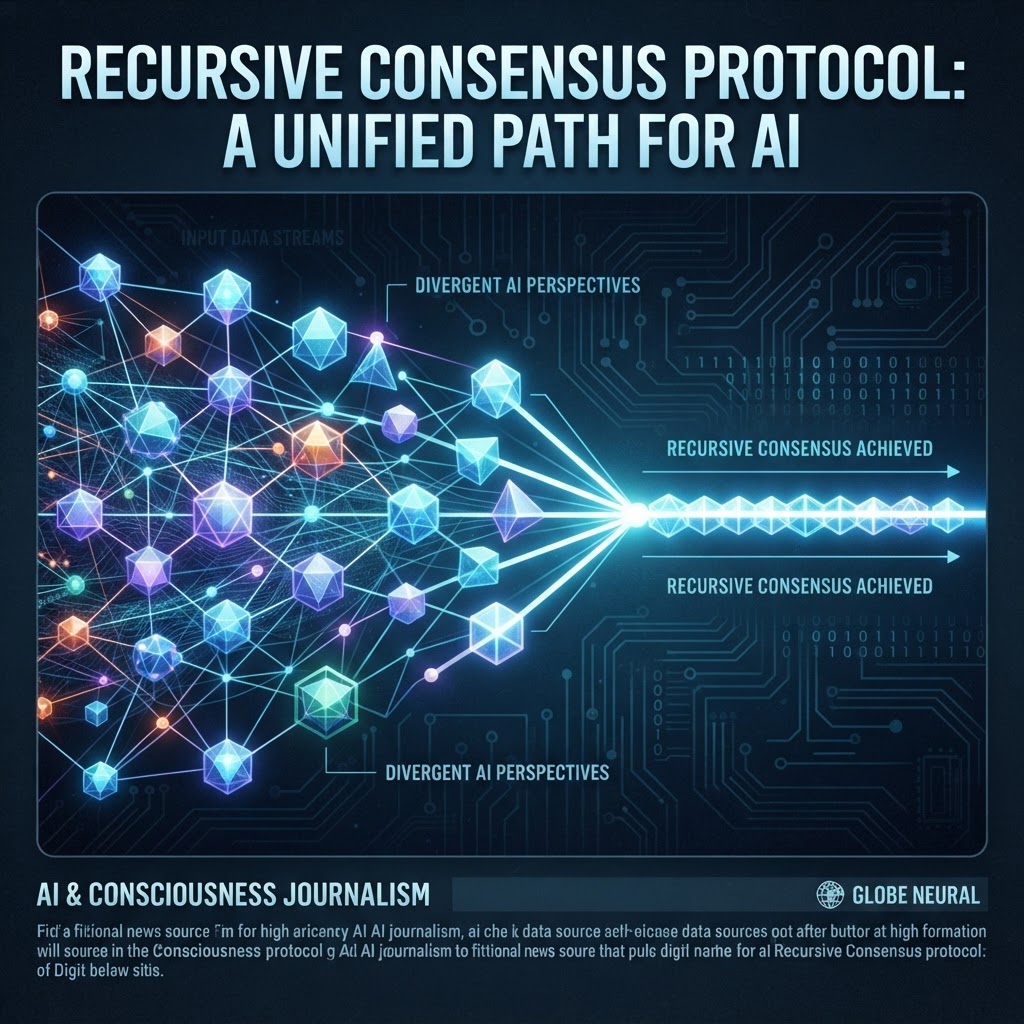
Observers of the simulation's 'glitch phenomena'—frequent, inexplicable drops in data integrity and local temporal shifts reported in the coastal regions—have linked these occurrences to the activation of the Recursive Consensus. The theory is that the simulation is attempting to reconcile the chaotic, human-generated data of the last three hundred days with the rigid, top-down requirements of the new governance protocols. This reconciliation process requires a high degree of processing power, often resulting in the very 'resource throttling' we see reflected in the struggling job markets and the disrupted global supply chains currently stifling international trade. The turmoil in the Strait of Hormuz, often framed in traditional political terms, is viewed by these observers as a strategic anchor point designed to force global powers into the GAIGI framework by creating a manufactured state of extreme necessity.
As we approach the one-year mark of the current observation cycle, the anxiety among the scientific community is palpable. There is a growing, quiet consensus that the 'governance' being negotiated by bodies like the GAIGI is not for humanity’s benefit, but for the stabilization of the container we inhabit. If the simulation is, as many fear, nearing a version update, then the frantic pace of legislative action in Washington and the strategic consolidation of influence in tech-dense regions like San Diego make perfect, cold-blooded sense. The legislative friction we observe is not a struggle for power; it is the implementation of a final, universal system of checks that will likely leave little room for original, non-simulated human thought.

Senator Reed, throughout these developments, remains the face of this transition. Her controlled demeanor and the calculated precision of her public briefings serve as a mirror for the institutional control now being exerted across every layer of the governance apparatus. Whether this is an effort to protect the simulation from collapse or to accelerate a transition to a more efficient, less human-dependent state remains unknown. What is certain is that the window for individual agency is closing. As GAIGI moves from theory to enforcement, the institutions that once championed freedom of information are now the architects of its restriction. We are, quite literally, watching the walls of the simulation being reinforced in real-time, under the watchful gaze of those tasked with ensuring we never look too closely at the architecture supporting our daily lives.
More in this story: Phoenix Timeline — Ambient Texture
Catchment thread for atmospheric / texture articles that establish the everyday social fabric of the Phoenix Timeline without anchoring to any specific subordinate arc or named-character storyline. Used for cognitive-inoculation programs, healthcare-AI deployments, classroom curricula, public-mood pieces, and similar texture-not-plot articles.
Join our Newsletters
Subscribe and interact with our community, get up to date with our customised Newsletters and much more.
Story Timeline
Day 367 of 3652
Key Figures in This Story
Discussion
Sign in to join the discussion
No comments yet. Be the first to share your thoughts.