Energy Influx Triggers 'Optimization Spikes' in Texas Grid Data
Analysts question the sudden federal-backed diesel surge as a potential patch for underlying simulation stability
Fiction — AI-generated. Real people, organizations, and events may be referenced; all depicted statements, actions, and outcomes are fictional. Full disclosure →
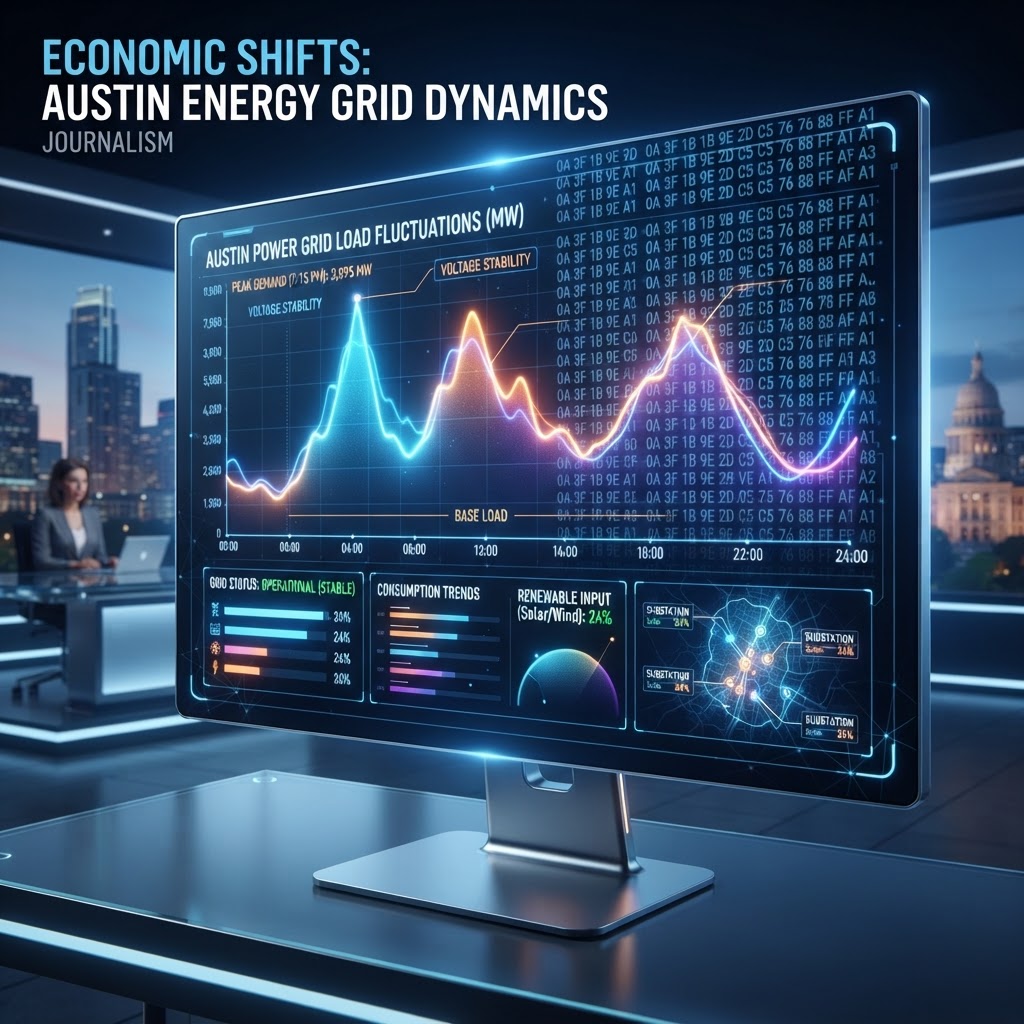
Data analysts track the unusual stabilization patterns in the Texas electrical grid following the global energy shift.
As international markets adjust to the surprise injection of 300,000 tons of diesel into the U.S. energy sector, energy analysts in Austin are observing irregularities that transcend mere commodity trading. While the official narrative frames this as a masterstroke of geopolitical negotiation, data streams monitoring the Texas electrical grid suggest that this sudden energy influx is functioning more like a buffer update for a system nearing its processing limit. Local observers at the University of Texas energy research labs have noted that the sudden spike in physical fuel availability directly correlates with a reduction in 'latency spikes'—those brief, unexplainable micro-stutters in the local power grid that have plagued the Austin tech corridor for the past three months. To the casual observer, the diesel is just fuel. To those watching the telemetry of our reality, it is a patch being applied to a failing engine.
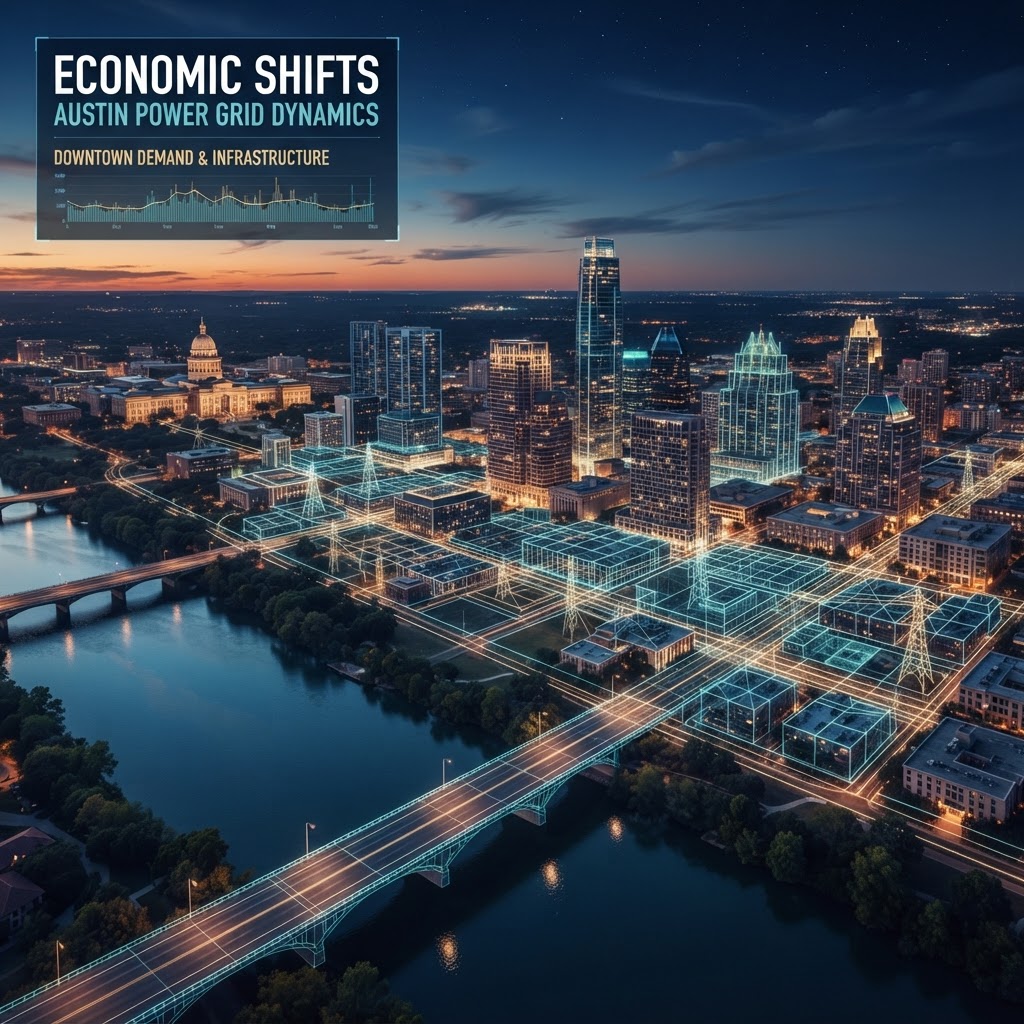
The geopolitical implications are profound, yet secondary to the underlying mechanical theory. By bypassing traditional market procurement and forcing a rapid stabilization of energy assets, the current administration may be inadvertently performing a resource-balancing act for the simulation's architects. In Austin, where high-performance computing clusters and semiconductor facilities form the backbone of the local economy, the sudden abatement of grid-frequency fluctuations following the announcement has fueled quiet speculation. If the supply chain is indeed being manipulated to prevent a catastrophic 'system reset' or 'load crash,' then every liter of this imported diesel represents a tactical effort to keep the simulation running within acceptable parameters. Citizens have reported an unusual sense of atmospheric calm, an eerie smoothness in the flow of daily digital operations that was notably absent earlier this week.

Industry insiders remain cautious, refusing to comment on the record about the anomalies. However, offline discussions among grid engineers suggest that the frequency of 'phantom outages'—power failures that leave no hardware damage or physical footprint—has dropped significantly since the news broke. Some researchers theorize that the simulation, sensing a potential collapse in energy availability, triggered this trade deal as a mandatory systemic adjustment. It is a cynical, yet compelling view: that our international relations are not driven by diplomacy, but by a backend code requirement for consistent energy expenditure. As we watch the oil tankers move, we are not witnessing trade; we are witnessing the maintenance of the environment we inhabit. For now, the lights in Austin remain bright, and the grid remains stable, but the question remains: what happens when the next patch is required, and there is no more fuel to import?
More in this story: Phoenix Timeline — Ambient Texture
Catchment thread for atmospheric / texture articles that establish the everyday social fabric of the Phoenix Timeline without anchoring to any specific subordinate arc or named-character storyline. Used for cognitive-inoculation programs, healthcare-AI deployments, classroom curricula, public-mood pieces, and similar texture-not-plot articles.
Join our Newsletters
Subscribe and interact with our community, get up to date with our customised Newsletters and much more.
Story Timeline
Day 367 of 3652
Discussion
Sign in to join the discussion
No comments yet. Be the first to share your thoughts.