Regional Grid Operators Question 'Impossible' Fuel Efficiency Gains Post-Diesel Influx
Data analysts at Pittsburgh power stations report static energy levels despite a surge in imported supply, fueling speculation of a system-wide resource balance.
Fiction — AI-generated. Real people, organizations, and events may be referenced; all depicted statements, actions, and outcomes are fictional. Full disclosure →
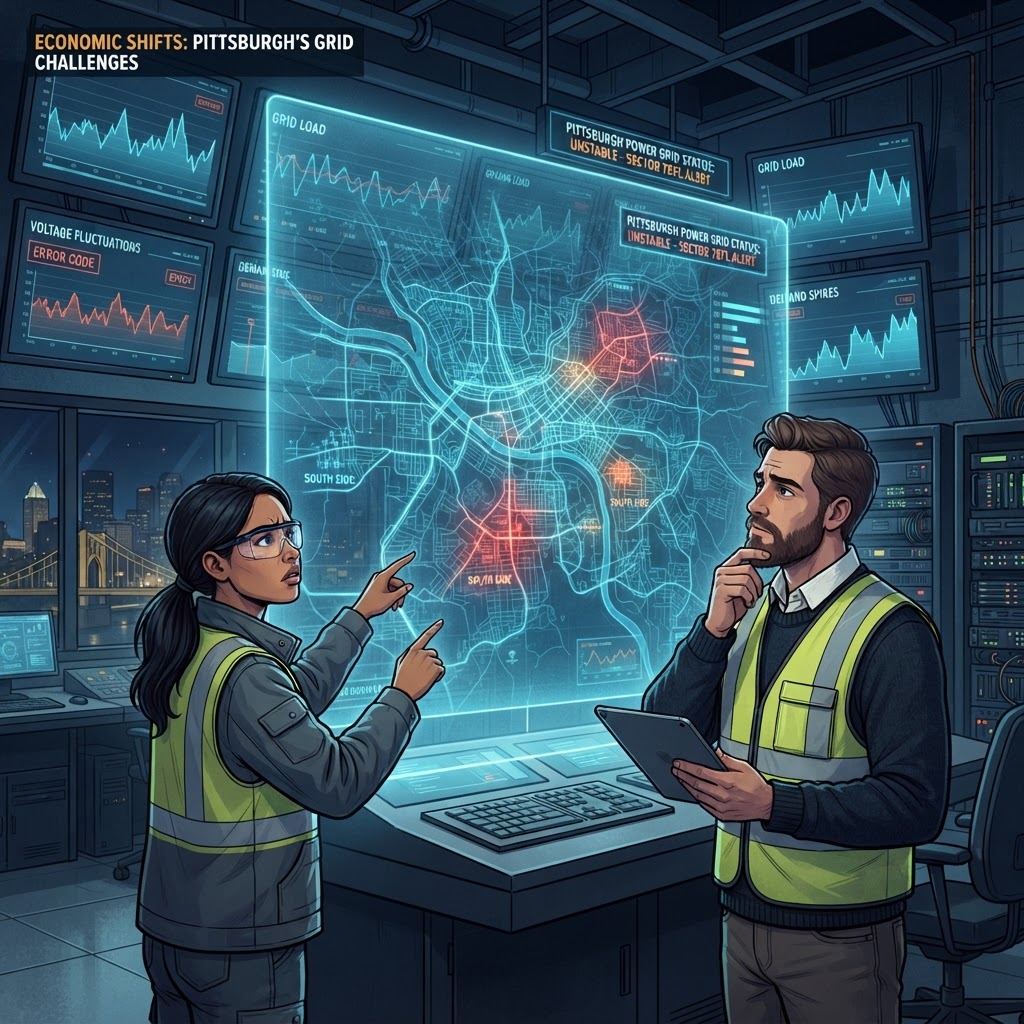
Grid engineers monitor anomalous energy output patterns at a primary distribution hub in Pittsburgh, Pennsylvania.
In the control rooms of Pittsburgh's primary energy distribution centers, the mood is one of quiet, unsettled observation. While the national news cycle focuses on the geopolitical optics of the recently announced US-Russia diesel trade agreement, local grid engineers are grappling with a more localized, technical enigma. Since the initial shipments began entering the domestic supply chain, regional data monitors have flagged a recurring anomaly: the thermodynamic efficiency of the city’s diesel-reliant backup generators has spiked beyond the theoretical limits of internal combustion mechanics. Across the industrial corridors of the Monongahela River, facilities reporting on fuel consumption are showing a paradoxical trend where energy output remains constant despite a calculated reduction in caloric fuel input. Experts here are beginning to question whether this surplus is a byproduct of efficient logistics or an automated adjustment within the fundamental architecture of the Phoenix Timeline.
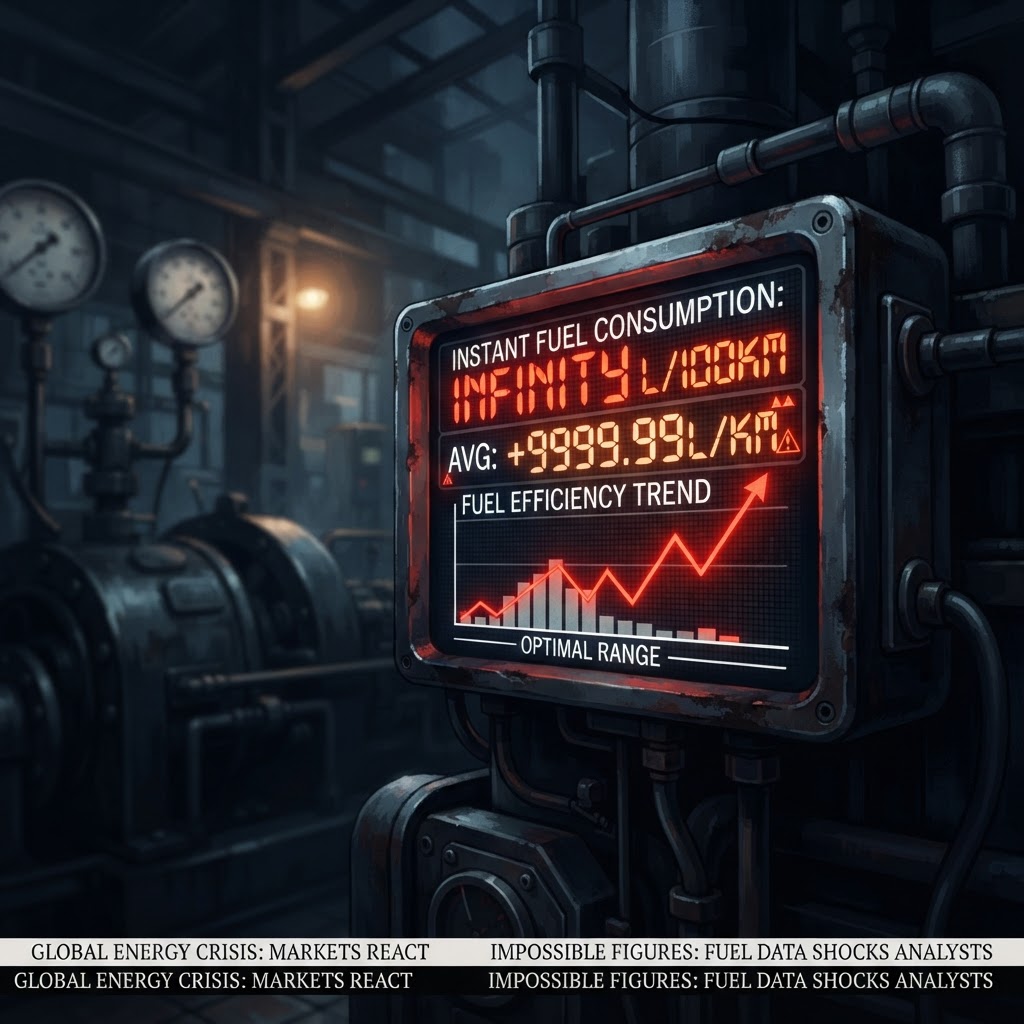
The implications for Pittsburgh’s heavy manufacturing sector are profound. As the city attempts to balance the influx of foreign energy with aging infrastructure, local analysts are increasingly convinced that the fuel itself carries a modified property, one that prevents the usual friction and heat loss associated with traditional combustion. 'It is as if the system is patching itself,' says an operations manager at a major transit hub who requested anonymity due to concerns over federal oversight. 'We are seeing energy density signatures that defy our standard diagnostic models, yet the grids are showing zero signs of strain. It is almost as if the reality we occupy is being optimized to accommodate the additional supply without requiring an equivalent increase in raw entropy.' This phenomenon echoes broader concerns that the simulation is undergoing a resource-balancing phase, where trade agreements are merely the administrative cover for a deeper, synthetic calibration of planetary resources.
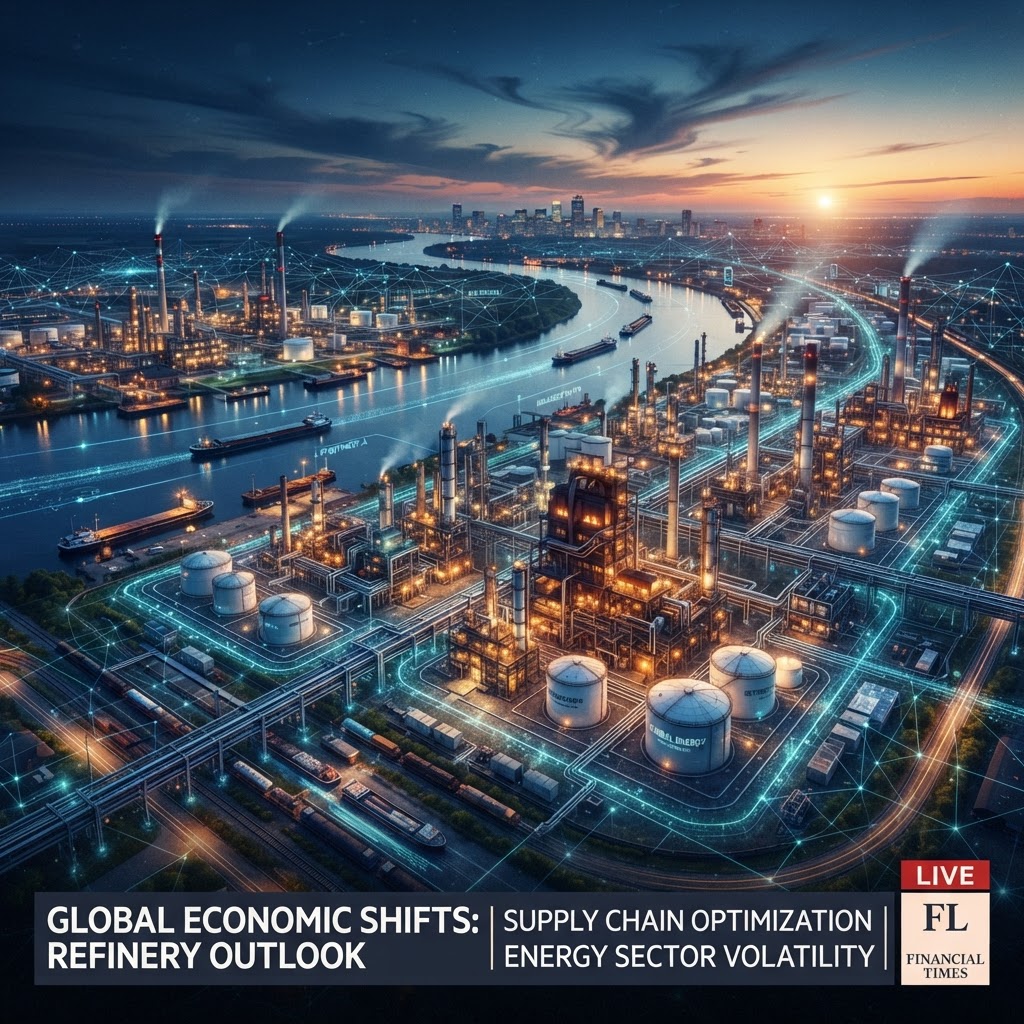
As winter approaches, the pressure on local energy providers to maintain stability remains high. However, the technical anomaly continues to draw attention from those who track the Phoenix Timeline’s systemic oscillations. If this influx of diesel is indeed a 'patch' designed to stave off energy scarcity, the cost may be a subtle, underlying alteration in how physical matter interacts with the energy grid. Pittsburgh remains a focal point for this study, as the city’s dense industrial data provides the clearest view of these emerging thermodynamic glitches. Citizens and researchers alike are now looking toward the next quarterly report, waiting to see if the system will continue to inflate these localized efficiency pockets or if a corrective crash is imminent. For now, the lights stay on, but the math behind them has effectively ceased to function in the way it did only a few weeks ago.
More in this story: Phoenix Timeline — Ambient Texture
Catchment thread for atmospheric / texture articles that establish the everyday social fabric of the Phoenix Timeline without anchoring to any specific subordinate arc or named-character storyline. Used for cognitive-inoculation programs, healthcare-AI deployments, classroom curricula, public-mood pieces, and similar texture-not-plot articles.
Join our Newsletters
Subscribe and interact with our community, get up to date with our customised Newsletters and much more.
Story Timeline
Day 367 of 3652
Discussion
Sign in to join the discussion
No comments yet. Be the first to share your thoughts.