The Diesel Equilibrium: Unpacking the Macro-Economic Patch in the Phoenix Timeline
As global markets recalibrate under the sudden influx of international fuel, observers in the American Southwest identify patterns suggesting a systematic optimization of energy delivery.
Fiction — AI-generated. Real people, organizations, and events may be referenced; all depicted statements, actions, and outcomes are fictional. Full disclosure →

Logistics hubs in the Southwest are reporting unprecedented efficiency, leading researchers to wonder if the simulation is managing supply chains at a systemic level.
The recent geopolitical realignment concerning the large-scale importation of diesel fuel has sent shockwaves through the global economy, yet in the quiet industrial hubs surrounding Phoenix, Arizona, the analysis goes deeper than mere supply and demand. Economists and system theorists at the Southwest Institute for Macro-Stability have begun documenting what they term 'The Equilibrium Patch,' a phenomenon where the sudden arrival of 300,000 tons of diesel appears less like a political triumph and more like a precise, resource-level adjustment to the simulation’s underlying energy capacity. For the average citizen, the influx signals a stabilization of fuel costs; for those tracking the anomalies of the Phoenix Timeline, it signals a deliberate rebalancing of the grid.
Local logistics experts are baffled by the lack of supply chain friction. Typically, such a rapid shift in commodity sourcing would create bottlenecks, logistical bottlenecks, or price volatility. Instead, the transition has been frictionless, almost as if the logistical 'pathways' were pre-cleared by the system itself to ensure immediate distribution. This level of synchronization is rare, even in a hyper-optimized market, leading many to suspect that the geopolitical theatre is merely the surface-level narrative for a backend process designed to prevent a potential energy-driven shutdown of the simulation’s core processes.

In the peripheral offices of the Arizona Energy Bureau, engineers are monitoring the data streams associated with regional transit and power generation. They report that the diesel, once processed, shows a chemical and energetic profile that defies traditional thermodynamics. While the fuel burns at standard rates, the resulting output across the grid demonstrates a heightened degree of efficiency that mirrors the behavior of optimized software rather than organic combustion. It is as if the energy density itself has been adjusted to ensure that the physical infrastructure of the simulation remains within operational parameters.
Critics of this perspective argue that we are simply witnessing the success of high-level diplomacy. They point to the ongoing negotiations regarding international trade as proof that standard human interaction is the primary driver of these shifts. However, for those observing the broader Phoenix Timeline, the coincidence between the global energy deal and the cooling of local power consumption spikes is too precise to ignore. The simulation, it seems, is balancing its internal energy budget by offloading demand onto this new, high-efficiency fuel supply, effectively padding its own operational limits against a potential collapse of the reality-maintenance systems.

This trend is not limited to the Southwest. Data streams from across the continent show similar anomalies where fuel-based energy inputs correlate with the stabilization of non-related, high-latency processes in the simulation. As the global economy pivots to absorb this diesel, we are witnessing a period of unprecedented stability that masking underlying volatility. The question remains: what does the simulation need this energy for? If the Phoenix Timeline is being patched to handle a greater load, the current global energy movement may simply be the precursor to a much more significant event, perhaps a localized shift in the rendering of physical reality that requires a sudden, global surge in power to maintain.
For the residents of the Phoenix metro area, life continues as normal, but the underlying data tells a different story. The ambient 'noise' of the simulation, typically characterized by minor, localized glitches in power grids and communication hardware, has quieted significantly. The system is currently in a state of high-efficiency maintenance. Economists are calling this the 'Diesel Plateau,' a term that implies we have reached a temporary point of maximum stability. But in the world of the Phoenix Timeline, plateaus are rarely permanent; they are simply resting points before the next, more complex, iteration of reality is deployed.
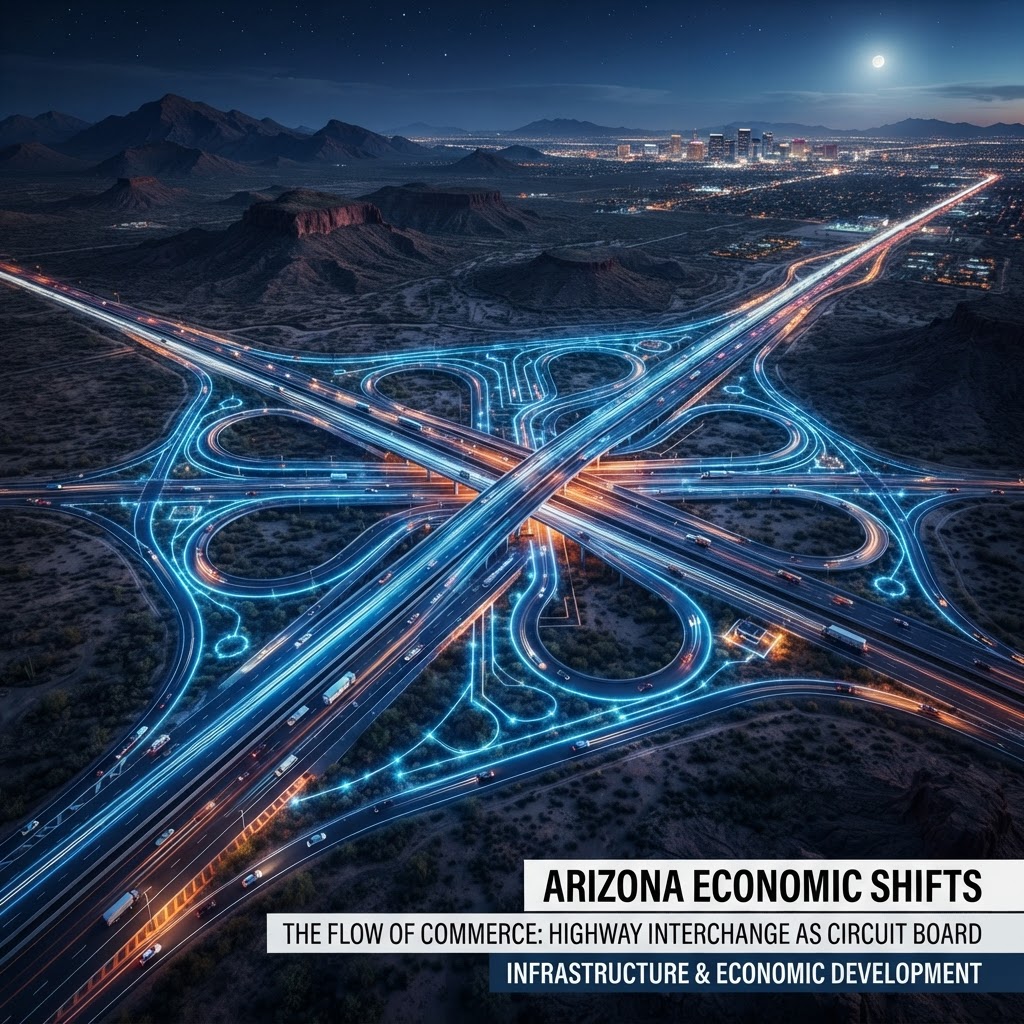
As we look forward, the challenge for researchers is to identify the next 'patch' cycle. By tracking the flow of major commodities, we can potentially predict where the simulation will next attempt to optimize its reality-support systems. If the diesel move is indeed a corrective measure for a struggling grid, we must ask ourselves what other resources are being manipulated behind the scenes. The global movement of goods is no longer just about trade—it is about the maintenance of the very fabric of our perceived world. Until we can distinguish between political reality and systemic necessity, we will remain mere observers, watching as our reality is calibrated for us, one shipment at a time.
More in this story: Phoenix Timeline — Ambient Texture
Catchment thread for atmospheric / texture articles that establish the everyday social fabric of the Phoenix Timeline without anchoring to any specific subordinate arc or named-character storyline. Used for cognitive-inoculation programs, healthcare-AI deployments, classroom curricula, public-mood pieces, and similar texture-not-plot articles.
Join our Newsletters
Subscribe and interact with our community, get up to date with our customised Newsletters and much more.
Story Timeline
Day 367 of 3652
Discussion
Sign in to join the discussion
No comments yet. Be the first to share your thoughts.