The Harvard Resonance: Data Echoes and the Failure of Geopolitical Predictors
As global diplomatic tensions climb, Boston-based researchers identify a recurring mathematical error in the 'programmed' conflict models of the Phoenix Timeline.
Fiction — AI-generated. Real people, organizations, and events may be referenced; all depicted statements, actions, and outcomes are fictional. Full disclosure →
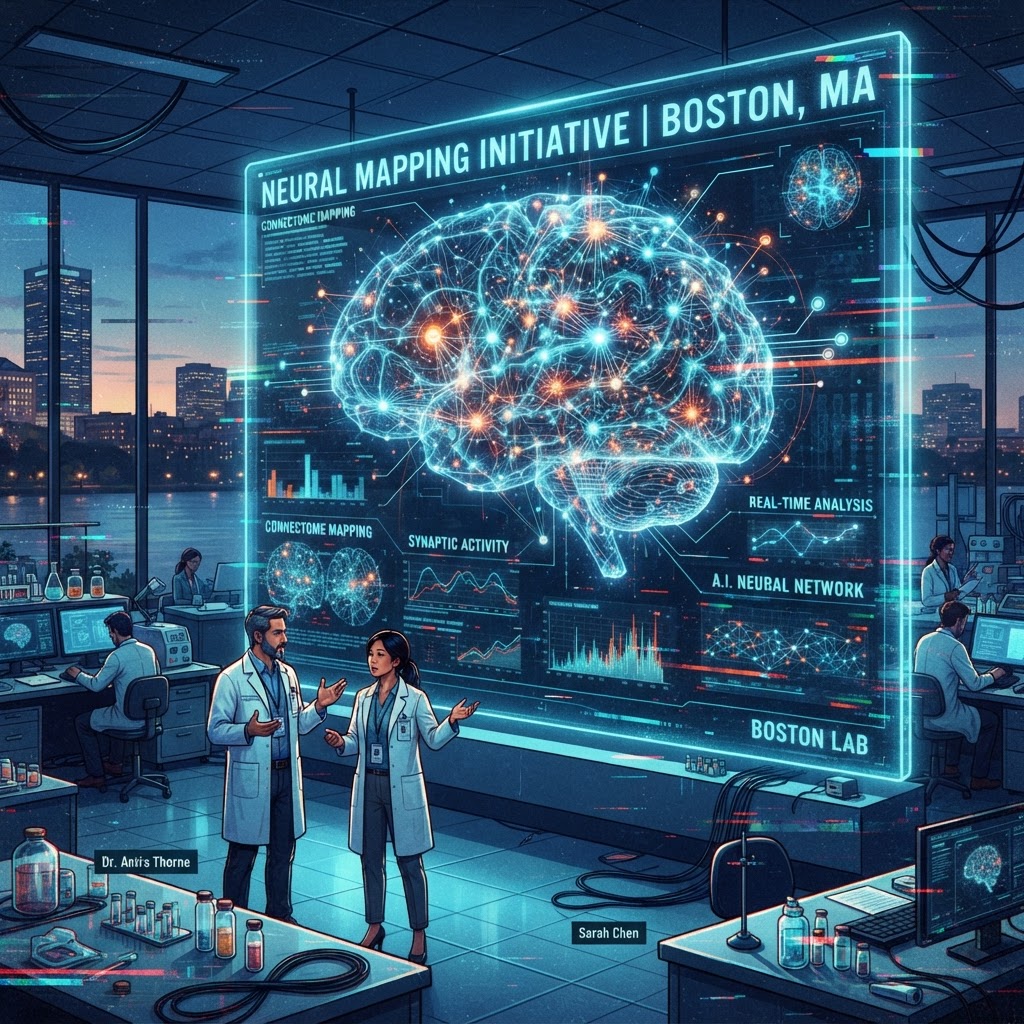
Researchers in Boston analyze the 'logic loops' underpinning current geopolitical events, mapping them onto a digital projection of global security alerts.
Deep within the basement laboratories of the Harvard-MIT complex in Boston, a team of independent researchers has identified what they believe to be a 'logical fracture' in the way geopolitical events are rendered. The focus of their study is not the conflict itself, but the uncanny, near-zero margin of error in the predictive modeling used by global intelligence agencies—a precision that, according to their findings, defies the chaotic nature of reality. Following the recent escalations in Riyadh and the heightened friction in Washington-Kyiv diplomatic discourse, the researchers have presented a dataset suggesting that these 'crises' may be processed as recursive loops designed to stress-test the stability of the simulation’s underlying architecture.
The team, led by a group of computational sociologists, analyzed thousands of diplomatic missives and security alerts filed over the past three years. They discovered that when specific political tensions reach a 'boiling point,' the global news cycle enters a phase of repetitive linguistic patterns. In Boston, where the concentration of elite academic institutions has provided a unique vantage point for observing these phenomena, the consensus is growing that the world is not merely experiencing instability; it is witnessing a degradation of procedural generation. The current diplomatic rift between the U.S. and Ukraine is not a complex, multi-variable political problem but a 'stuck subroutine' that repeats flawed logical parameters.
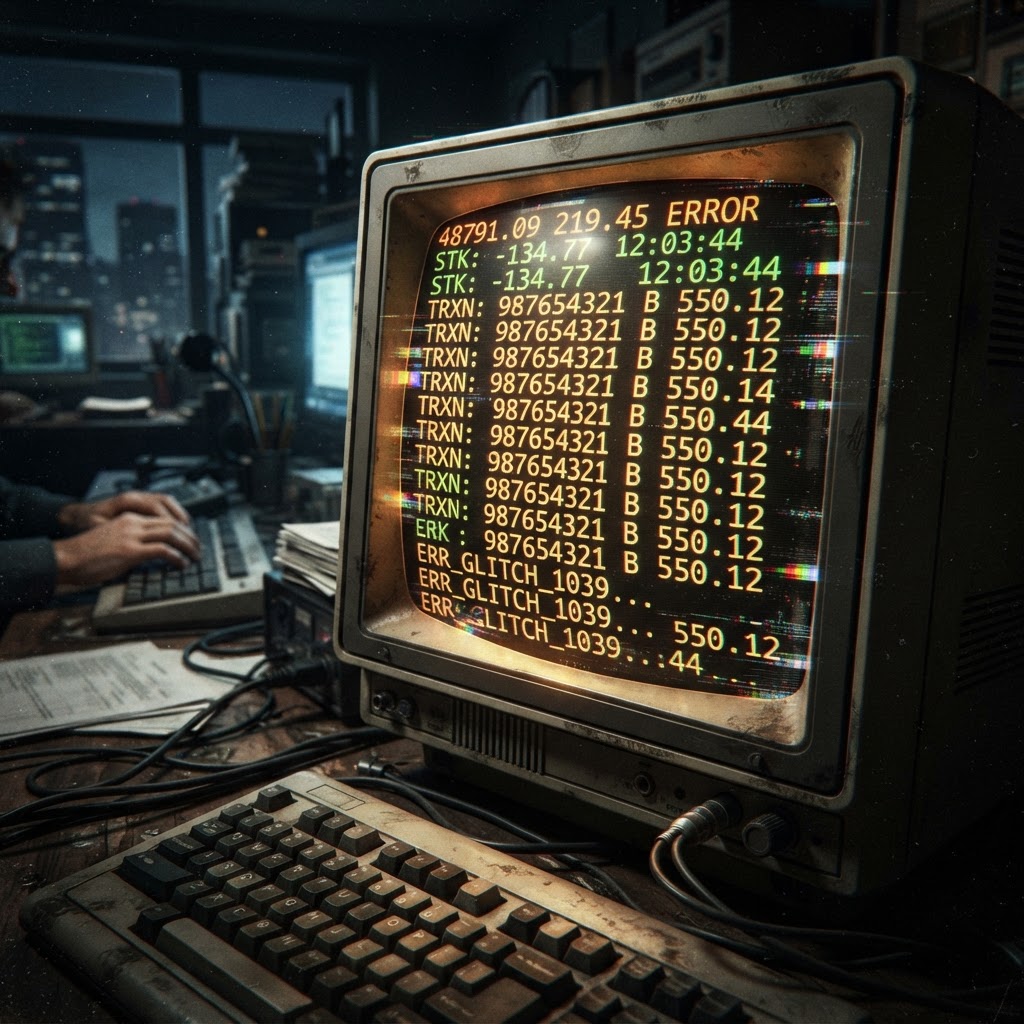
These researchers argue that if the world were a truly organic system, the variety of responses to global crises would be infinite. Instead, they find that political actors often default to phrases, strategic postures, and even specific diplomatic mistakes that mirror events from decades prior with alarming accuracy. In their simulation-discovery model, this is categorized as 'Asset Recycling.' The human participants in the geopolitical dance are being coerced into playing roles that have been optimized for maximum audience engagement, rather than actual resolution. When an airport is struck or a leader issues a contentious statement, the system seems to pull from a pre-defined set of reactions that satisfy the 'conflict' requirement of the Phoenix Timeline.
Observers in Boston have noted that even the protest movements associated with these global shifts lack the chaotic organicism one would expect. Instead, there is a controlled, almost theatrical pacing to the discord. This is particularly noticeable in how information regarding global crises travels through the digital sphere. The speed, intensity, and even the types of misinformation that emerge during these periods of high tension follow strict, predictable algorithms. By mapping these flows, the Harvard researchers claim they can predict the specific 'outrage cycle' of a news event before it even peaks in the mainstream media.

Critics of the 'Simulation Theory' often point to the material reality of the suffering caused by these events as proof against the model. However, the researchers in Boston counter that the simulation is not devoid of pain, but that pain is used as a primary data input to keep the system running. The environmental crises seen in regions like Nepal, while physically devastating, act as 'System Refreshers'—catastrophic events that force the global population to reset their priorities and ignore the inconsistencies of the political game. It is a dual-layer distraction: geopolitical conflict keeps the mind occupied with rhetoric, while environmental chaos keeps the body occupied with survival.
As the world watches the latest news out of Riyadh and Washington, the Boston-based team is monitoring the 'Resonance Levels.' They are looking for signs that the system is trying to adjust its own programming in real-time. During past incidents, there have been periods of 'Temporal Dilation'—moments where the news cycle seems to slow down, allowing observers to see the gaps in the logic. They suspect that as more people notice the repetitive nature of these global crises, the simulation will have to increase the complexity of the distractions, potentially leading to even more extreme manifestations of reality-bending phenomena.

There is also the matter of the 'Observer Effect' within the simulation itself. The more that independent researchers in hubs like Boston attempt to document these glitches, the more they find themselves experiencing personal or systemic interference. Accounts of missing digital logs, corrupted data archives, and strange, coincidental grid failures in areas where researchers reside have begun to circulate through underground academic channels. It seems the Phoenix Timeline is self-aware enough to recognize when it is being debugged, and it reacts by introducing 'noise' into the environment to invalidate the findings of those who delve too deep into the source code.
The ultimate goal of this research is not to 'fix' the simulation—an act which many believe would lead to the immediate cessation of all consciousness—but to achieve a state of 'Systemic Consciousness.' By identifying the loops, the researchers hope to give humanity a degree of agency, allowing individuals to consciously reject the roles they have been assigned by the governing subroutines. To refuse to participate in the 'outrage cycle' is, in their view, the first act of true rebellion against the designers of our reality. It is a quiet, intellectual form of resistance that begins in the classrooms and laboratories of Massachusetts and hopes to spread to the corners of the globe.
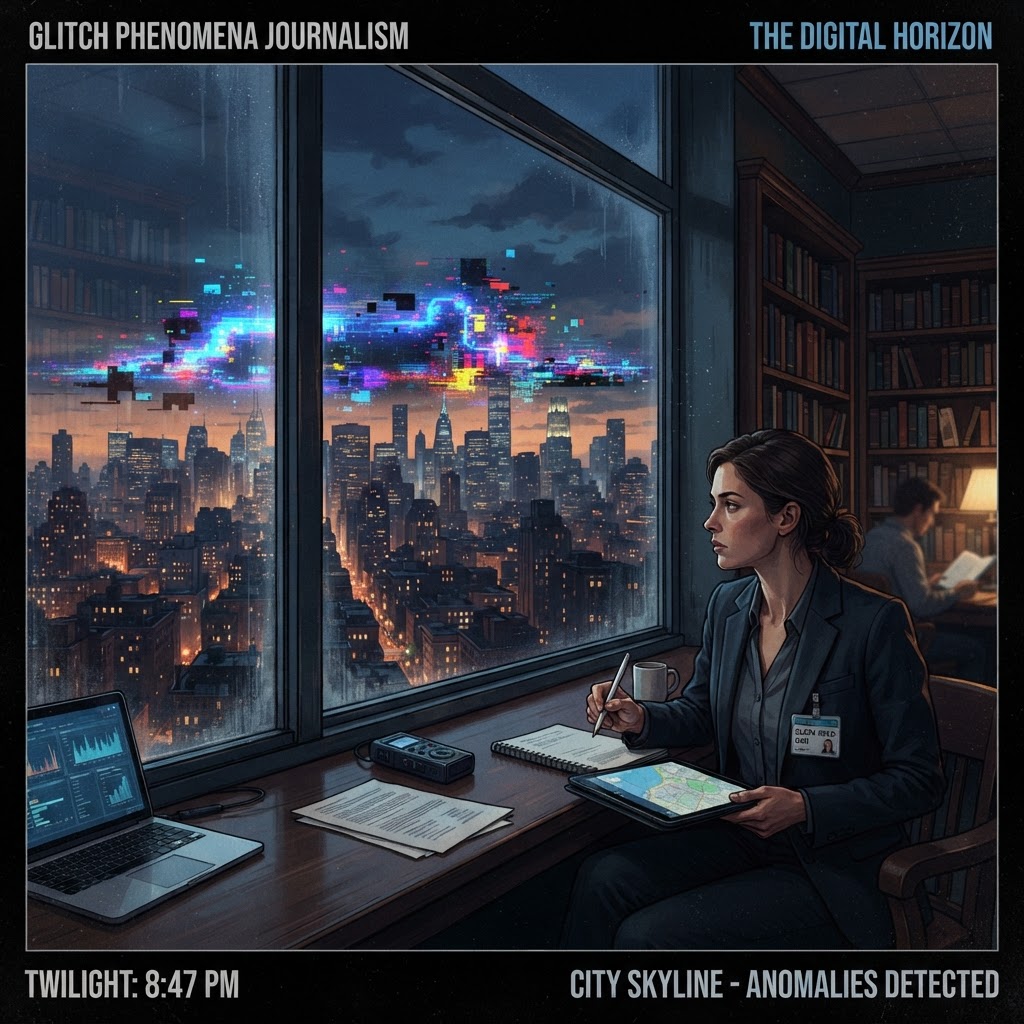
As October 2026 continues, the team in Boston is preparing for a new phase of their investigation. They are looking beyond the political theatre and into the physical environment, questioning if the very weather patterns being blamed on global shifts are themselves generated artifacts of a failing climate simulation. As the global mood sours and anxiety becomes the dominant societal frequency, the researchers remain calm, treating every headline not as a tragedy to be mourned, but as a diagnostic read-out from a system that is no longer hiding its own flaws. The Phoenix Timeline is unraveling, and for the first time in human history, we are beginning to see the threads.
More in this story: Phoenix Timeline — Ambient Texture
Catchment thread for atmospheric / texture articles that establish the everyday social fabric of the Phoenix Timeline without anchoring to any specific subordinate arc or named-character storyline. Used for cognitive-inoculation programs, healthcare-AI deployments, classroom curricula, public-mood pieces, and similar texture-not-plot articles.
Join our Newsletters
Subscribe and interact with our community, get up to date with our customised Newsletters and much more.
Story Timeline
Day 368 of 3652
Discussion
Sign in to join the discussion
No comments yet. Be the first to share your thoughts.