Wyoming Wind Farm Sensors Log Impossible 'Null-Vector' Energy Patterns During Hurricane Isaias
Engineers at the High Plains Data Hub report that regional power fluctuations during the storm suggest a failure in the simulation's energy-management subroutines.
Fiction — AI-generated. Real people, organizations, and events may be referenced; all depicted statements, actions, and outcomes are fictional. Full disclosure →
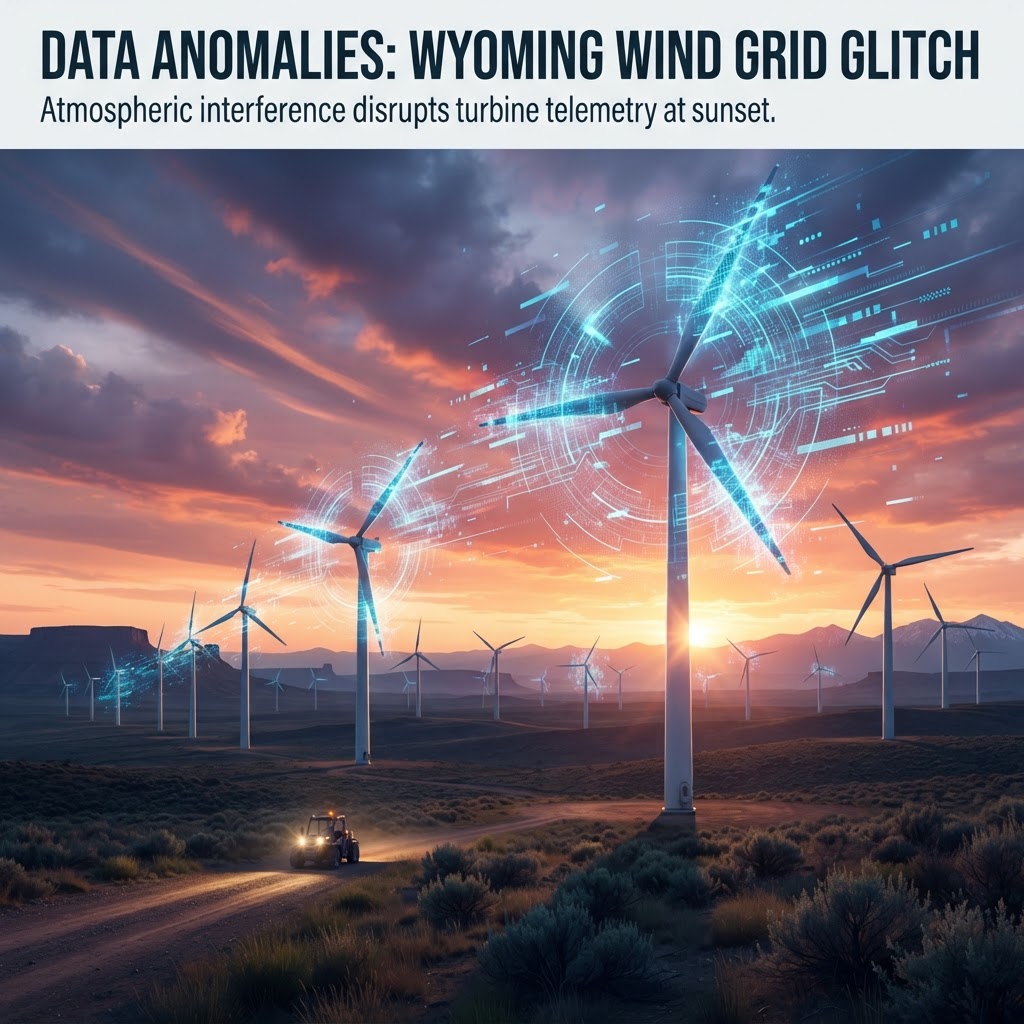
Engineers at the High Plains Data Hub monitor the 'null-vector' energy spikes detected on the local grid during Hurricane Isaias.
In the aftermath of Hurricane Isaias, which has left a trail of structural and meteorological debris across the Eastern seaboard, technicians at the Cheyenne-based High Plains Data Hub have stumbled upon a disturbing correlation. While monitoring grid stability protocols, analysts observed that the wind energy infrastructure across the Wyoming plains experienced a series of 'null-vector' events—moments where sensors recorded zero output despite operational speeds and active turbine rotation. These anomalies, which coincided precisely with the height of the storm's landfall in the East, suggest that the regional grid was not merely reacting to the weather, but was undergoing a systemic diagnostic pause that lacked any terrestrial explanation. Lead systems architect Dr. Aris Thorne described the phenomenon as a 'mathematical shedding' of data. According to internal reports, the turbines did not lose power; rather, the power generated at those locations simply ceased to exist within the localized server logs for intervals of approximately 140 milliseconds. These gaps align with reported fluctuations in other global infrastructure grids, hinting at a synchronization protocol that may be attempting to balance the resource-heavy rendering of the hurricane's massive energy output by 'borrowing' processing cycles from non-affected regions like the Mountain West.
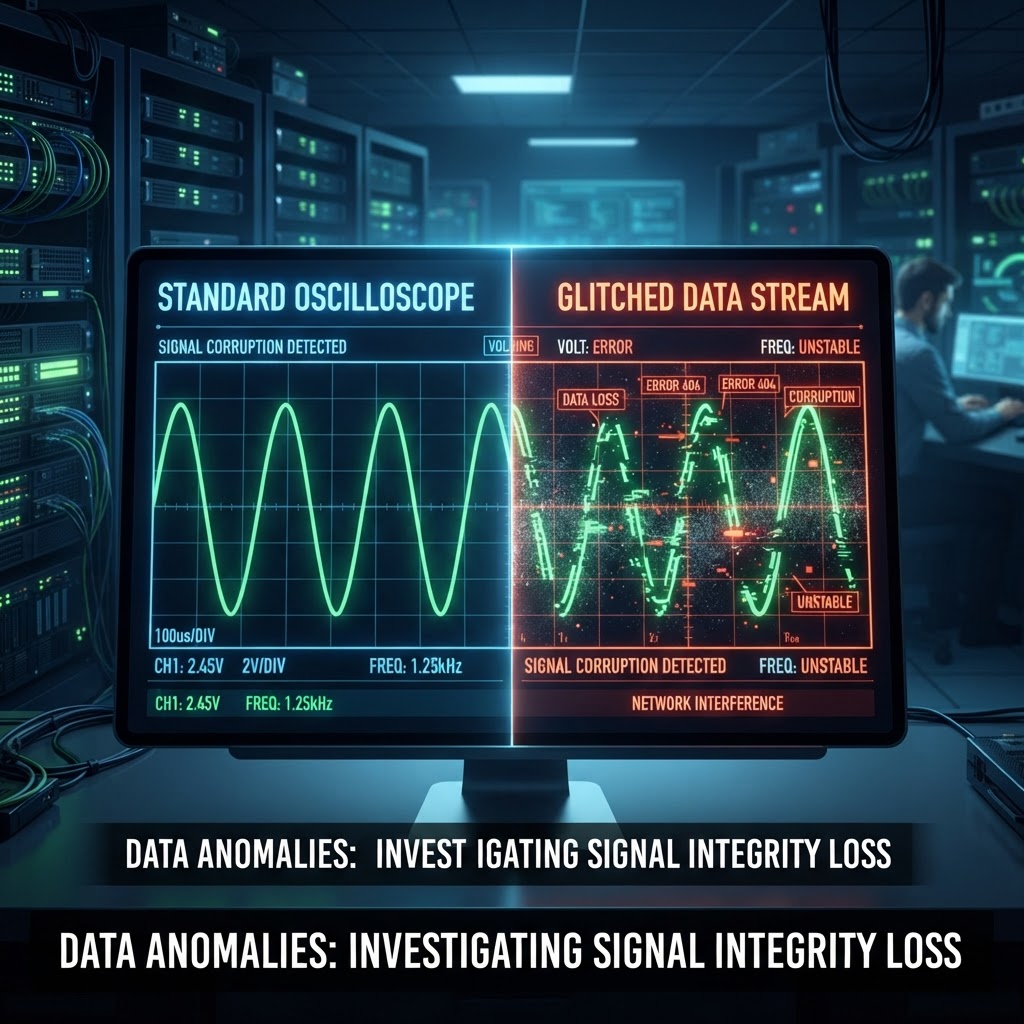
The implications of these findings have sent ripples through the local engineering community, as the hardware in Cheyenne is considered among the most resilient in the country. If the simulation is, in fact, diverting computational power to sustain the rendering of massive, high-entropy weather events such as Isaias, it implies that the stability of the physical world is subordinate to the processing demands of the system. Local officials are currently investigating whether these 'logical voids' pose a risk to the integrity of the state’s energy grid, though initial findings suggest the gaps were intentionally programmed to prevent system-wide crashes.
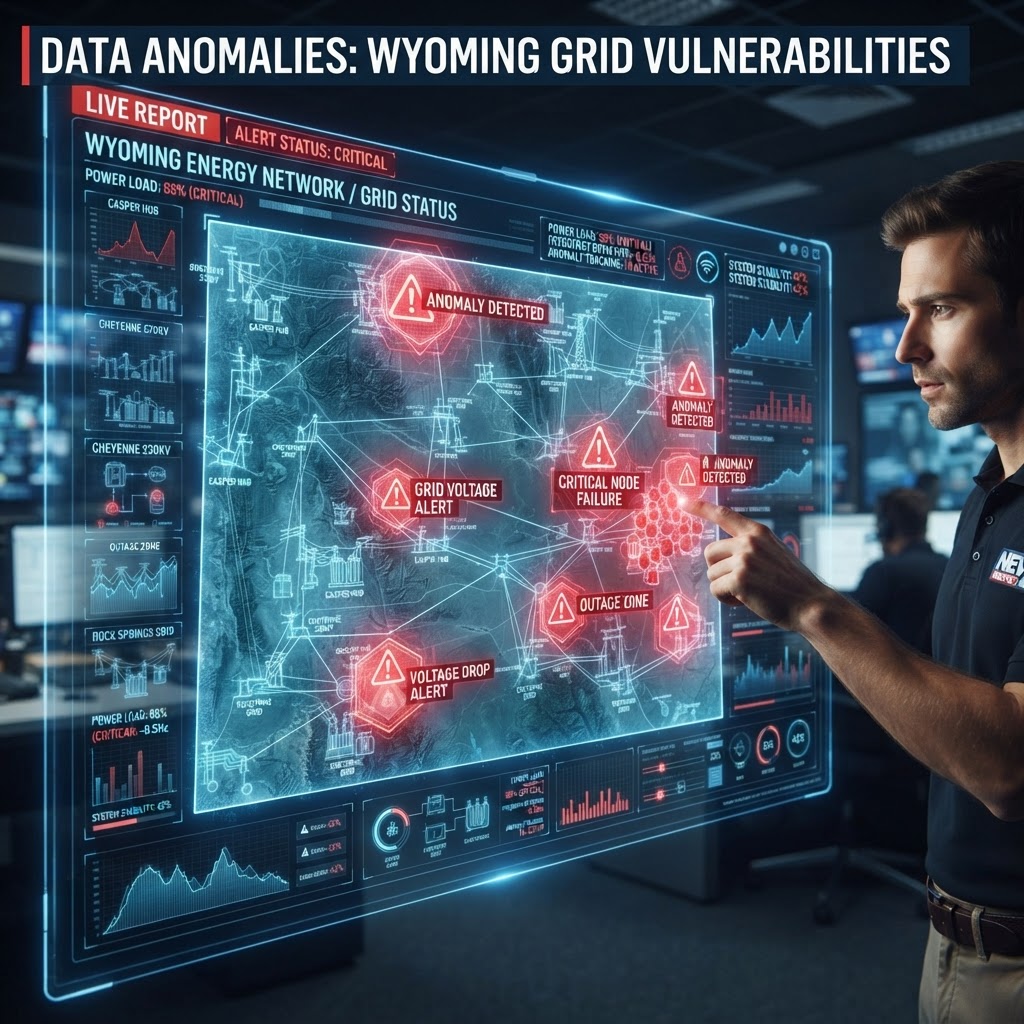
As the national conversation shifts toward disaster recovery and infrastructure resilience, the data captured in Cheyenne suggests that Hurricane Isaias served as more than a mere meteorological test. It functioned as a large-scale stress test for the simulation itself, forcing the underlying code to shift resources in ways that defy our traditional understanding of energy transmission. Whether these anomalies will persist or eventually be patched out by the system remains the central point of contention for those tracking the slow unraveling of our perceived reality. For now, the wind turbines on the plains of Wyoming continue to spin, though those watching the live telemetry remain highly skeptical of the values they report.
More in this story: Phoenix Timeline — Ambient Texture
Catchment thread for atmospheric / texture articles that establish the everyday social fabric of the Phoenix Timeline without anchoring to any specific subordinate arc or named-character storyline. Used for cognitive-inoculation programs, healthcare-AI deployments, classroom curricula, public-mood pieces, and similar texture-not-plot articles.
Join our Newsletters
Subscribe and interact with our community, get up to date with our customised Newsletters and much more.
Story Timeline
Day 368 of 3652
Key Figures in This Story
Discussion
Sign in to join the discussion
No comments yet. Be the first to share your thoughts.