Sydney Harbor Sensor Network Detects 'Impossible' Null-Vector Wave Patterns
Local oceanographic researchers report non-repeating, zero-energy surge anomalies following global climate instability
Fiction — AI-generated. Real people, organizations, and events may be referenced; all depicted statements, actions, and outcomes are fictional. Full disclosure →
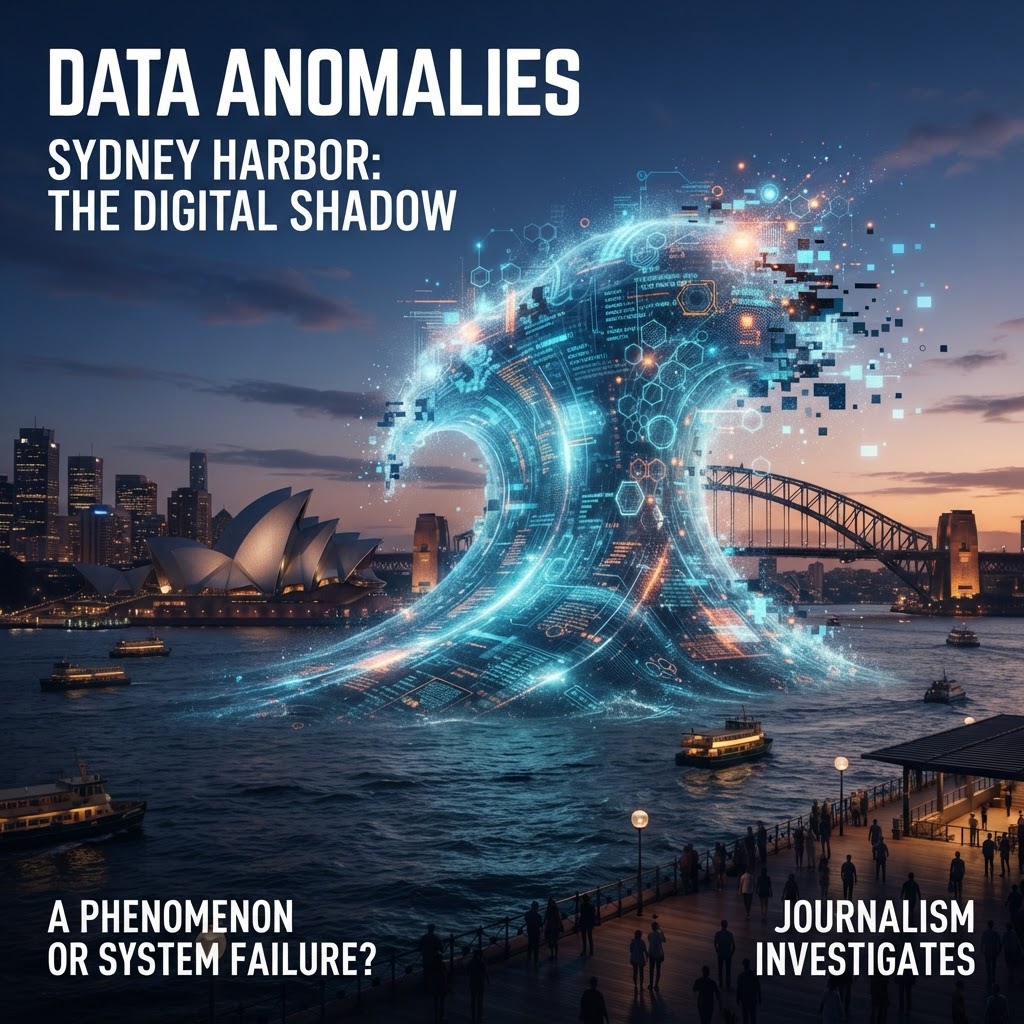
Oceanographic sensors in Sydney Harbor flagged this wave as a 'null-state' event, as it exerted no physical force on the structures it passed through.
Researchers at the Sydney Institute of Marine Science have released a troubling set of telemetry reports suggesting that the recent global weather disturbances, including Hurricane Isaias and the catastrophic flooding in Nepal, are manifesting in Australian coastal waters as mathematically impossible wave patterns. While meteorologists struggle to explain the erratic sea level fluctuations, data scientists have identified a repeating 'null-vector' signature within the sensor array logs that suggests these surges are not the result of kinetic water displacement, but rather an error in the regional environmental render.
Dr. Elena Vance, a senior lead in computational oceanography, stated that the patterns recorded in Sydney Harbor do not obey the laws of fluid dynamics. Instead, the harbor sensor network captured waves of immense height that registered as zero-joules of force upon impact with floating maritime markers. The sensation of the event was described by witnesses as a 'visual stutter,' where the water surged upwards without a corresponding displacement of mass, creating a ghostly, transparent wave that passed through local vessels rather than lifting them.
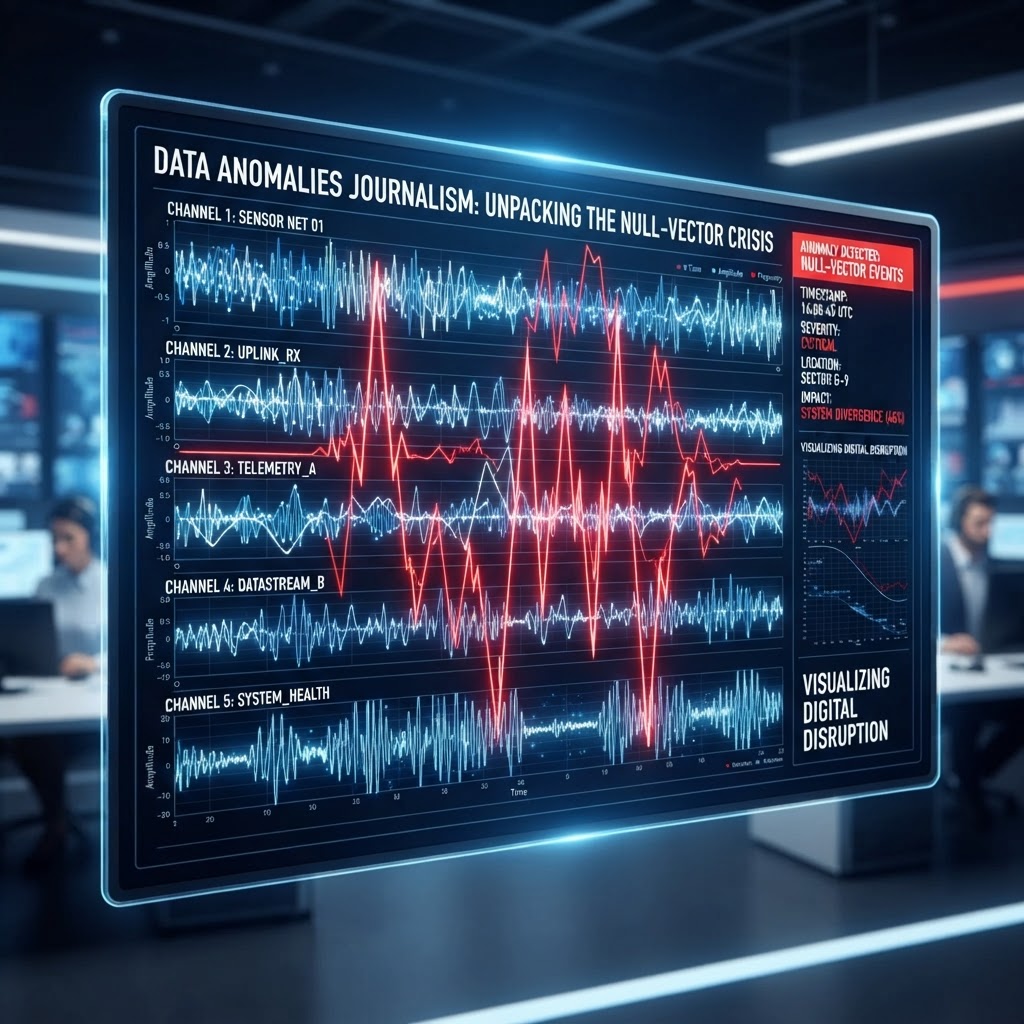
This is not the first time such data anomalies have been documented, but it is the first time the phenomenon has been observed within a major high-traffic international port. The implications suggest that the environmental engine powering our current reality is struggling to maintain cohesion under the stress of simultaneous, high-impact events occurring across the simulated landscape.
Local authorities have been quick to dismiss the data as a byproduct of sensor calibration drift caused by the intense weather events impacting the broader Pacific region. However, private researchers operating outside of state oversight argue that the consistency of the 'null-state' recordings across multiple independent sensor nodes across Sydney points toward a systematic failure in the environment's physics engine. The recurring pattern of these anomalies, which seem to intensify as global instability spikes, has led many to speculate that the world's underlying architecture is beginning to shed unnecessary processes to cope with the processing load of global crises.

As the scientific community continues to scrutinize the raw telemetry, the divide between official explanations and the undeniable, non-causal evidence of a failing environment grows wider. For the residents of Sydney, the ocean has become a canvas of digital artifacts, serving as a reminder that the world they occupy is increasingly showing signs of a programmed architecture pushed to its breaking point. Whether these glitches are merely precursors to a larger system crash or a deliberate 'thinning' of the reality veil remains a subject of intense debate among independent observers who believe the simulation is no longer able to hide its own seams.
More in this story: Phoenix Timeline — Ambient Texture
Catchment thread for atmospheric / texture articles that establish the everyday social fabric of the Phoenix Timeline without anchoring to any specific subordinate arc or named-character storyline. Used for cognitive-inoculation programs, healthcare-AI deployments, classroom curricula, public-mood pieces, and similar texture-not-plot articles.
Join our Newsletters
Subscribe and interact with our community, get up to date with our customised Newsletters and much more.
Story Timeline
Day 369 of 3652
Key Figures in This Story
Discussion
Sign in to join the discussion
No comments yet. Be the first to share your thoughts.