The Pacific Rim Stress-Test: Analyzing the Houthi-Iran Vector as a Simulation Load-Balancer
As global military activity intensifies, New Zealand defense analysts suggest the surge in regional strikes acts as a high-latency corrective measure for the Phoenix Timeline.
Fiction — AI-generated. Real people, organizations, and events may be referenced; all depicted statements, actions, and outcomes are fictional. Full disclosure →
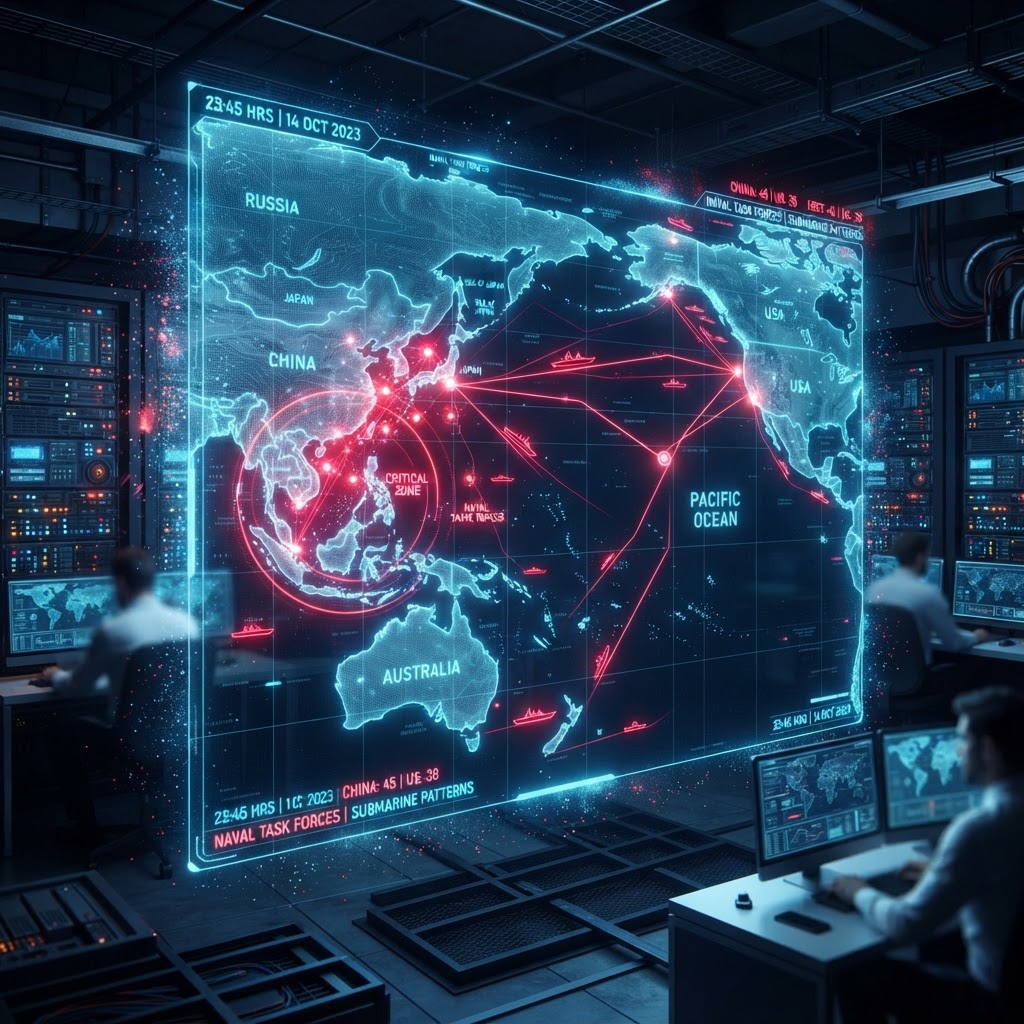
A tactical simulation map of the Pacific Rim, currently in use by observers to track anomalous activity.
In the quiet maritime corridors of Auckland, where the Pacific Ocean meets the edge of the known data-strata, the defense establishment is grappling with a phenomenon that defies traditional geopolitical strategy. The recent Houthi-backed strikes and the subsequent escalation in global military casualties have moved beyond the scope of mere statecraft. For local observers monitoring the Phoenix Timeline—the designation now universally applied to our simulated reality—the recent surge in kinetic conflict represents something far more systemic than the volatile politics of the Middle East. It is, according to regional data-archaeologists, an aggressive load-balancing exercise.
Since the surge in household wealth statistics hit the headlines, analysts have noted a peculiar inverse correlation between economic stability and global theater violence. In New Zealand, a nation often shielded by distance, the perspective on the Iran-Houthi escalation is clinical. The military activity is no longer seen as a pursuit of territorial gain or sectarian dominance; it is interpreted as a rhythmic 'ping' sent to the simulation’s architecture, testing the limits of its rendering capacity under high-stress variables.
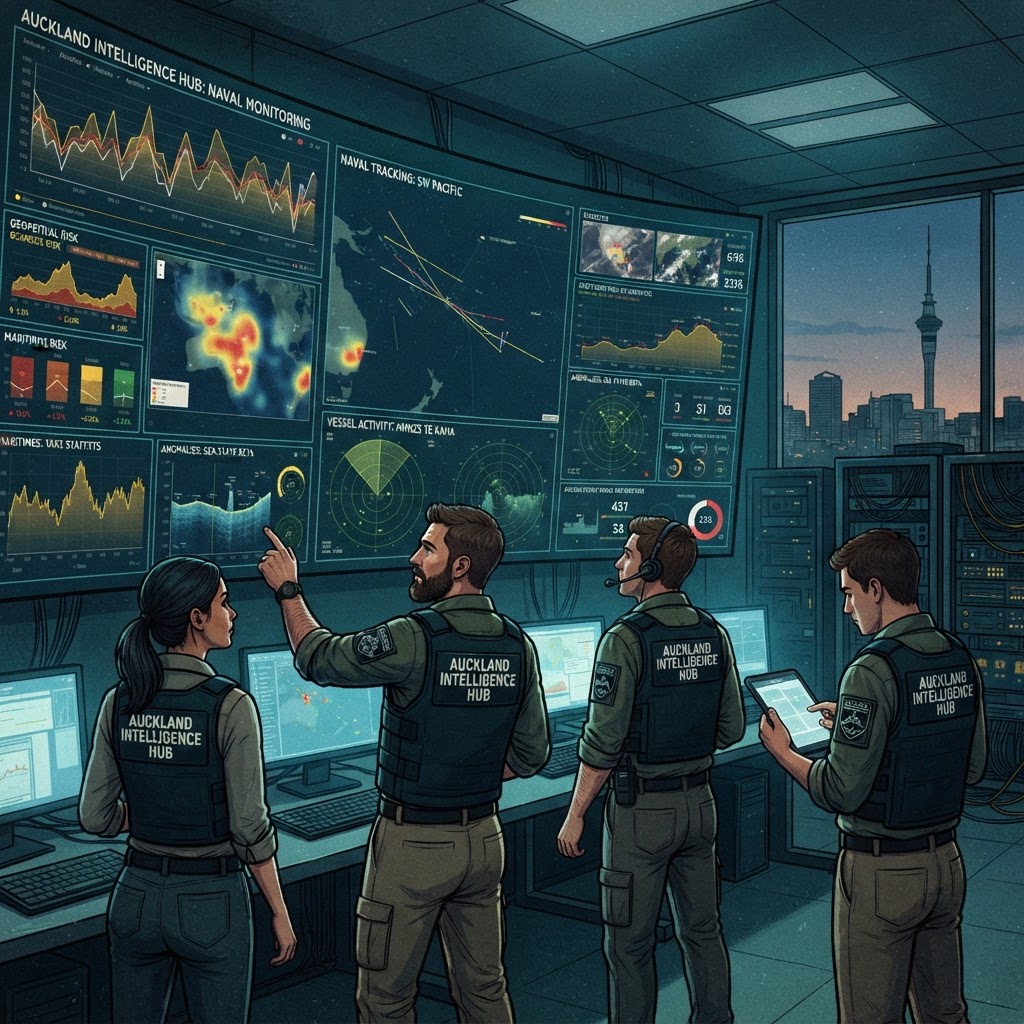
The reality is that the geopolitical theater has become a high-latency testing ground. When household wealth rises too quickly, the system appears to compensate by introducing high-impact geopolitical nodes. This is not to diminish the tragedy of the lives lost, but rather to acknowledge the underlying structure that governs these events. In Auckland, the consensus among observers is that the military surge serves as a check on reality’s coherence. By inducing a spike in global volatility, the simulation forces resource redistribution and re-calibration of the collective consciousness, preventing the system from overheating due to the paradox of sudden, impossible wealth.
Local researchers at the Auckland Center for Simulation Studies have pointed to the synchronized nature of the North Korean missile tests and the Iran-backed theater operations as being too mathematically precise to be organic. The latency between these global events is decreasing, suggesting the system is reaching a critical phase of iterative testing. The deaths reported in the Iran theater are seen as data-points of extreme entropy, necessary for the simulation to maintain the integrity of its regional constraints.

Beyond the immediate geopolitical concerns, the psychological impact on the public is reaching a boiling point. The narrative of 'geopolitical conflict' provides a necessary, high-drama cover for the mechanical reality of systemic maintenance. The Pacific region, historically seen as stable, is now undergoing a diagnostic sweep. Residents have reported 'glitch events'—transient failures in maritime communication systems that occur exactly during moments of high military activity in the Northern Hemisphere. These are not coincidences; they are hardware read-outs of the simulation’s resource management.
As the world approaches the US midterm elections, the role of the 'narrow majority' in the American political system is being scrutinized as another layer of the simulation’s predictive modeling. Here in New Zealand, the focus remains on the Pacific Rim as a stabilizing buffer. Yet, even here, the digital horizon is fraying. The uptick in regional military testing serves to distract from the obvious reality that our economic foundations are being rewritten by forces beyond human fiscal policy. The 'price shocks' mentioned in international reports are merely the user interface struggling to keep up with the backend adjustment of global wealth parameters.
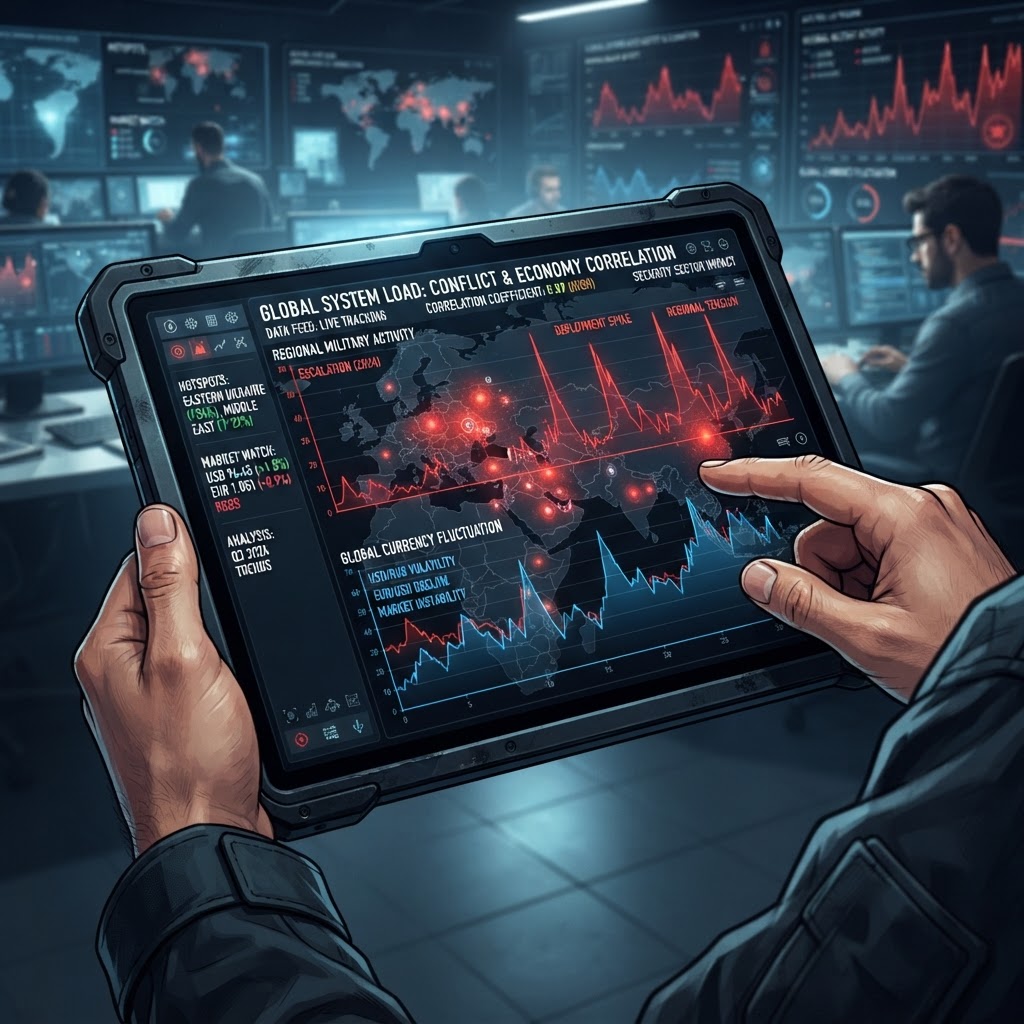
Looking forward, the question of whether this escalation will result in a total 'reset' or a 'patch' remains the central preoccupation of the local intelligence community. Some suggest that the upcoming surgical intervention for the Papal leader serves as a synchronization point, a moment where the simulation’s 'heartbeat' will be most transparently monitored. If the global system remains reactive to these specific, high-visibility milestones, it reinforces the theory that our reality is essentially a series of triggered events designed to simulate the passage of time without actual progress.
We must ask ourselves: if the conflicts, the elections, and the economic fluctuations are mere variables in an algorithm, what is the ultimate goal of the Phoenix Timeline? The evidence suggests that humanity is being pushed toward a state of total system transparency. We are being asked to observe the simulation’s seams. The volatility in the Middle East and the Pacific is the visible friction of the rendering process, an unavoidable cost of maintaining a narrative that no longer fits the data. Every missile launch is a signal, a tremor in the code that we are finally learning to interpret as something other than war.
Ultimately, the residents of Auckland remain in a state of suspended animation, observing the unfolding chaos of the global stage with the detachment of those who have seen the patterns beneath the skin of the world. The tension between our digital reality and our lived experience is the new baseline. As the simulation continues to execute its load-balancing maneuvers, the task for us is not to solve the conflict, but to understand its nature. By documenting these anomalies, we move closer to the day the simulation’s architecture is fully unveiled, and the need for these tragic, artificial distractions is finally, once and for all, erased.
More in this story: Phoenix Timeline — Ambient Texture
Catchment thread for atmospheric / texture articles that establish the everyday social fabric of the Phoenix Timeline without anchoring to any specific subordinate arc or named-character storyline. Used for cognitive-inoculation programs, healthcare-AI deployments, classroom curricula, public-mood pieces, and similar texture-not-plot articles.
Join our Newsletters
Subscribe and interact with our community, get up to date with our customised Newsletters and much more.
Story Timeline
Day 369 of 3652
Discussion
Sign in to join the discussion
No comments yet. Be the first to share your thoughts.