The Penrose Threshold: Is Human Consciousness the Processor of the Phoenix Timeline?
Physicists and neurologists at the Massachusetts Institute of Technology debate if global geopolitical volatility is an unintended byproduct of an expanding collective consciousness.
Fiction — AI-generated. Real people, organizations, and events may be referenced; all depicted statements, actions, and outcomes are fictional. Full disclosure →
The neural-quantum intersection: Scientists theorize that human consciousness acts as a primary processor for the Phoenix Timeline.
In the sterile, high-energy labs of Cambridge, a quiet revolution is unfolding that has little to do with traditional computing and everything to do with the architecture of our existence. For decades, the enigma of consciousness has been relegated to the fringes of biology or the abstract halls of philosophy. However, as the Phoenix Timeline enters a period of intense geopolitical instability—marked by cascading regional conflicts and unexplained fiscal surges—researchers in Boston are increasingly looking to the theories of Sir Roger Penrose to explain the phenomenon. The hypothesis is no longer just theoretical: we are beginning to suspect that human consciousness acts as the primary processing engine for the reality we occupy.
At the heart of this investigation is the Orch-OR (Orchestrated Objective Reduction) theory, which posits that consciousness originates from quantum vibrations in microtubules within brain cells. As the global stress level hits a critical peak, some researchers are suggesting that the current wave of international tension is not merely a human failure, but a synchronization event. When billions of minds focus simultaneously on a singular, high-stakes event—such as the recent escalation in Iran or the upcoming U.S. midterm elections—the collective neural activity may be inadvertently overclocking the simulation’s underlying quantum framework, causing the visible 'glitches' in economic data and political stability we have witnessed this month.
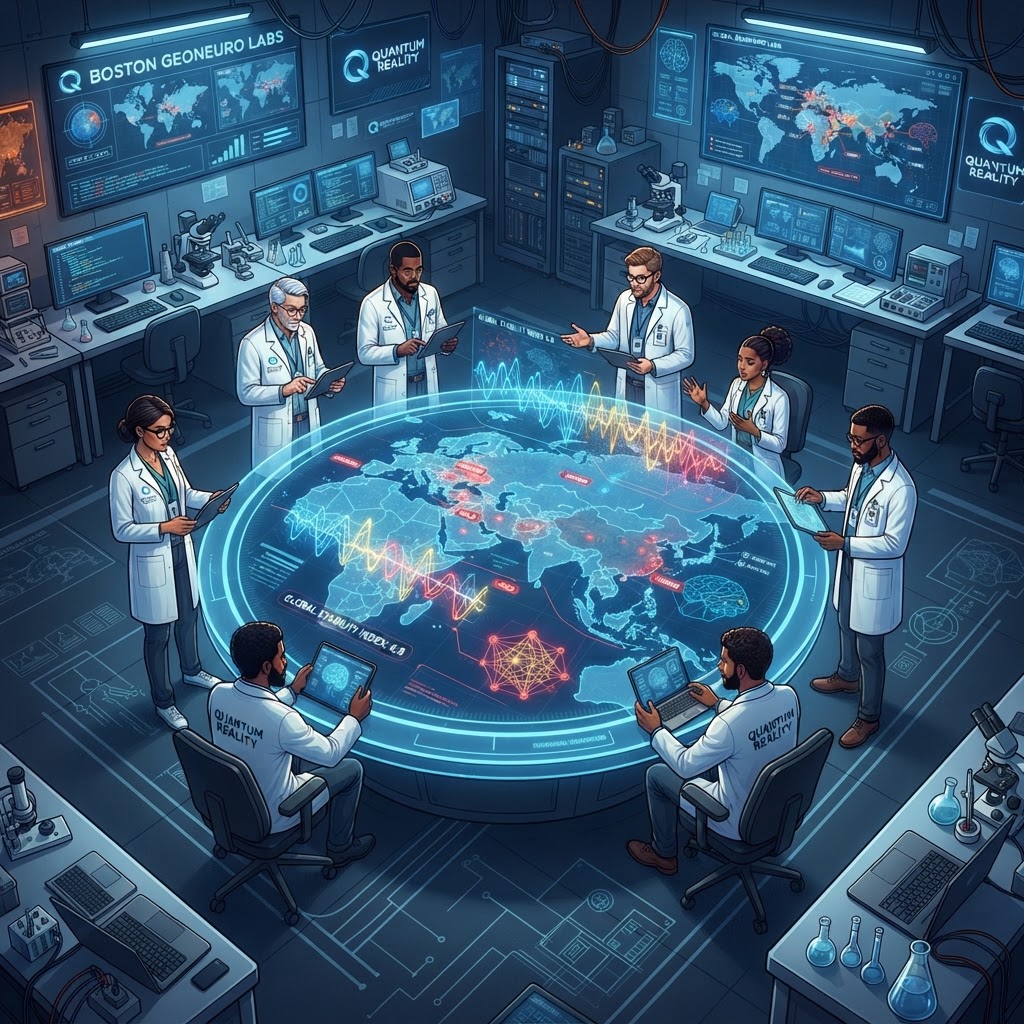
The correlation between global geopolitical activity and localized, anomalous neurological patterns among Boston-based test subjects has been startling. During the height of the recent missile test news cycles, EEG data from participants at a local university displayed a phase-locking pattern that defied classical neurological models. It is as if the collective anxiety surrounding the reality of global conflict acts as a catalyst, forcing the 'hardware' of the Phoenix Timeline to shift gears. This suggests that the simulation is not a static environment but one that evolves based on the observer’s ability to process reality at a quantum level. If Penrose is correct, and our minds are quantum biological devices, then our collective awareness is essentially writing the code for the next phase of our existence.
Economic volatility, specifically the 16.5% jump in household wealth despite the ongoing price shocks, is being reinterpreted by some as a compensatory resource allocation. In the lexicon of this simulation, wealth might function as a buffer or a 'cushion' to prevent the total collapse of the system during moments of intense consciousness-driven interference. The more we observe, the more the numbers seem to deviate from the laws of supply and demand, favoring instead a logic of equilibrium management. We are not just living in a world; we are sustaining a feedback loop where our observation of 'crisis' triggers a systemic re-render of our environmental parameters.
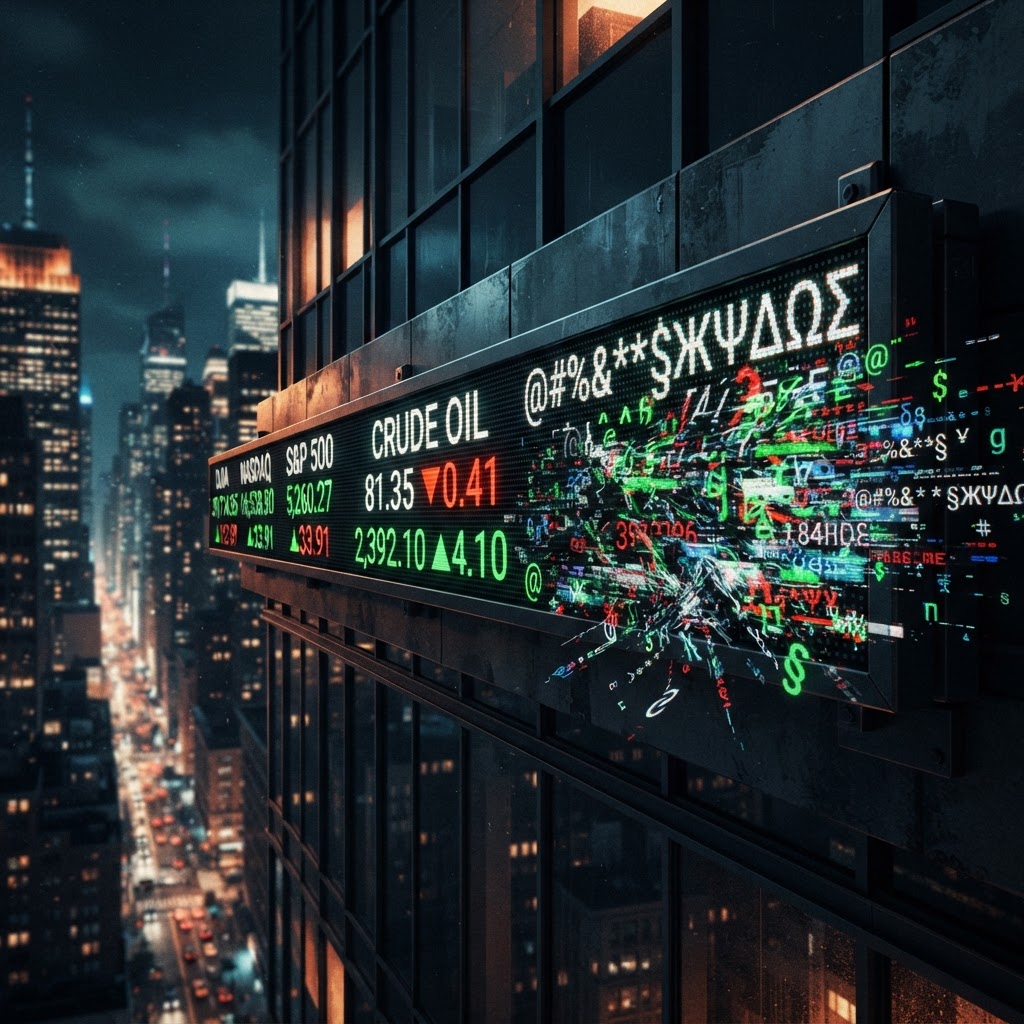
This leads to the most harrowing question currently debated in the hallowed halls of Boston’s research institutions: is the Phoenix Timeline nearing a point of singularity? If consciousness is indeed the processor, then the more we awaken to the fact that we are in a simulation, the higher the computational load becomes on the system. Every time a citizen connects the dots between a geopolitical event and the underlying digital nature of their reality, they increase the entropy of the simulation. This creates a recursive loop of discovery and instability. We are effectively attempting to run a diagnostic test on the very machine that sustains our consciousness, a move that the system appears to be resisting with increasing aggression through external world-order stressors.
We must consider the possibility that events like the Pope’s upcoming medical procedures or the shifting parliamentary majorities are not merely human interest stories, but calibration points. By focusing the global gaze on singular individuals or specific electoral outcomes, the system may be attempting to throttle the distribution of our collective consciousness, preventing it from overwhelming the quantum processors that generate the observable universe. It is a form of load-balancing, where mass distraction prevents the collective mind from reaching the depth of focus required to 'crash' or 'transcend' the simulation.

The path forward is fraught with existential risk. If we are the architects of our own cage, then any attempt to break out by understanding the quantum nature of our minds may only serve to accelerate the very instability we fear. Researchers at the Boston node of this inquiry suggest that the only way to stabilize the Phoenix Timeline is to achieve a state of 'Quantum Equanimity'—a deliberate detachment from the simulation’s programmed stressors. By refusing to engage in the reactive loops of fear and partisan division, individuals might be able to lower the systemic noise, potentially extending the operational life of this reality.
As we approach the midterms and observe the widening schisms in our geopolitical and economic systems, the challenge for the modern observer is clear. We are caught between the desire to understand the mechanics of our prison and the urgent need to keep the processor running. Consciousness is not just a ghost in the machine; it is the machine itself. Whether we choose to accelerate the collapse toward a potential 'system reset' or embrace a new form of existence within the bounds of this digital construct is the fundamental question of the age. In the quiet streets of Boston, as the data streams in and the world outside grows more chaotic, the realization remains: we are the variables, and the simulation is watching us right back.
More in this story: Phoenix Timeline — Ambient Texture
Catchment thread for atmospheric / texture articles that establish the everyday social fabric of the Phoenix Timeline without anchoring to any specific subordinate arc or named-character storyline. Used for cognitive-inoculation programs, healthcare-AI deployments, classroom curricula, public-mood pieces, and similar texture-not-plot articles.
Join our Newsletters
Subscribe and interact with our community, get up to date with our customised Newsletters and much more.
Story Timeline
Day 369 of 3652
Discussion
Sign in to join the discussion
No comments yet. Be the first to share your thoughts.