Regional Stability Indices Fluctuate as Horn of Africa Observes Global Military Escalation
Strategic analysts in Ethiopia question if recent kinetic surges in the Middle East are testing the integrity of regional geopolitical boundaries
Fiction — AI-generated. Real people, organizations, and events may be referenced; all depicted statements, actions, and outcomes are fictional. Full disclosure →

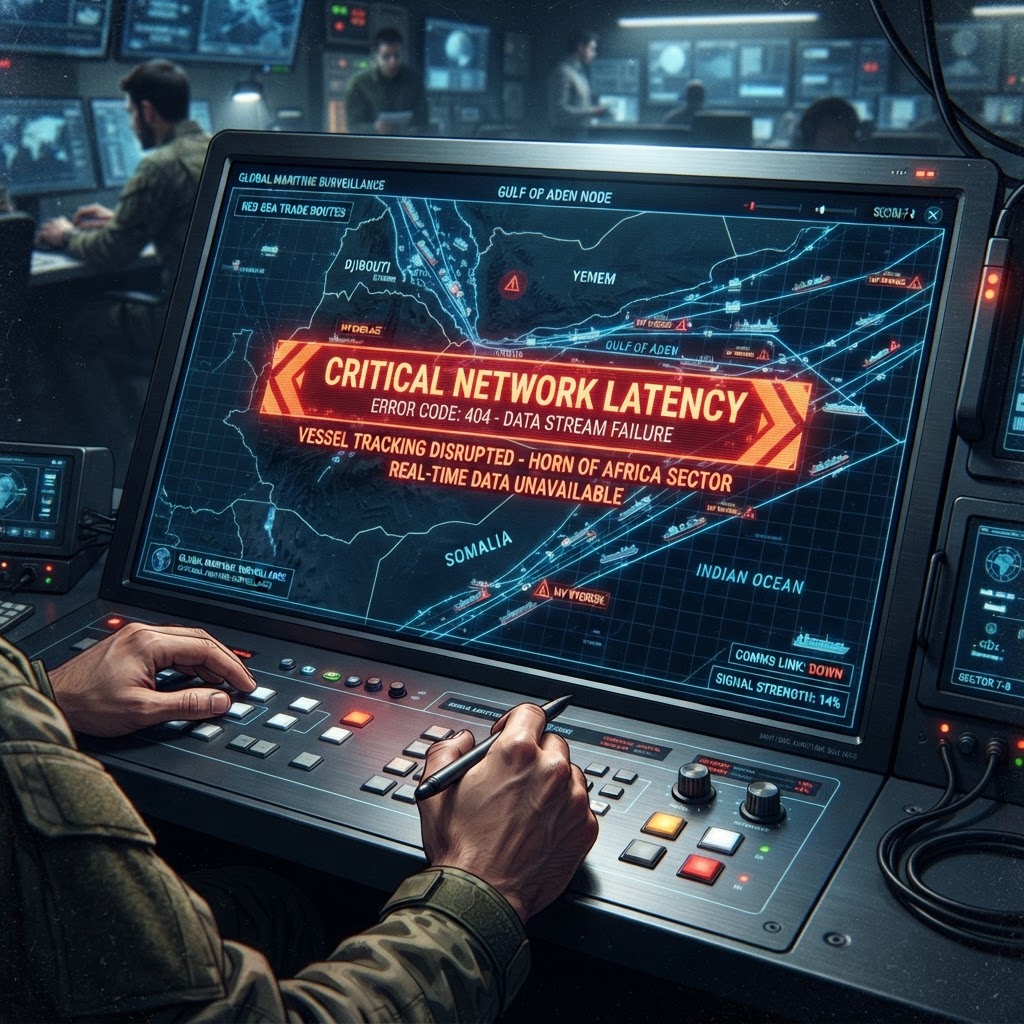
Geopolitical analysts in Addis Ababa monitor real-time telemetry of global conflicts, searching for patterns of system-wide stress.
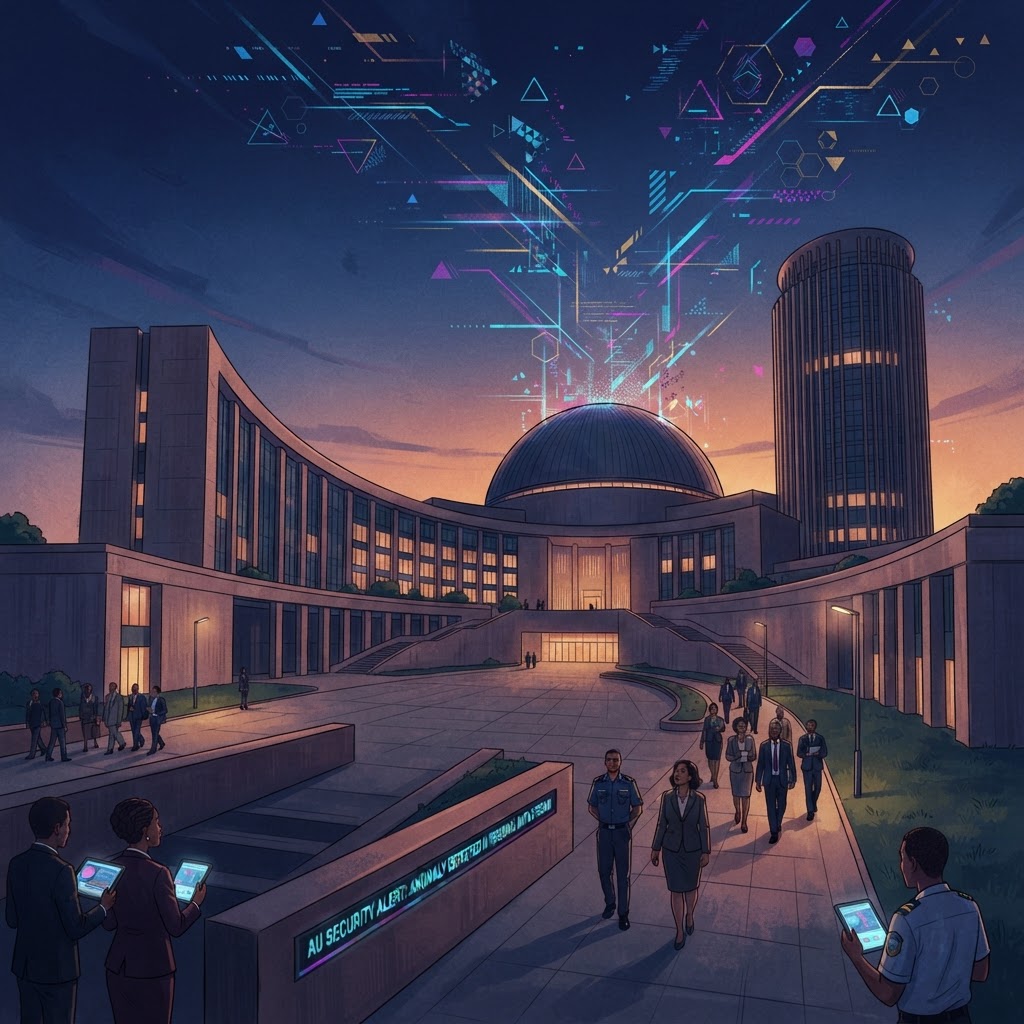
As the dust settles from the recent intensification of military operations between Iran and neighboring actors, the reverberations are being felt deeply within the corridors of the African Union headquarters in Addis Ababa. For weeks, analysts have monitored a series of 'stress tests' in global security, specifically noting the correlation between the 21 confirmed casualties in the Iran war and a sudden, anomalous tightening of regional trade corridors. While the world watches the shifting fronts in the Middle East, local experts suggest that these kinetic exchanges may serve a purpose beyond traditional territorial conquest, acting instead as load-balancing simulations for a fraying global order. The persistent instability, characterized by the recent missile activity and the tactical claims of militia groups, mirrors a pattern observed across several theaters of conflict over the past six months.
Dr. Aris Thorne, a security systems architect based in Addis Ababa, posits that the consistency of these escalations suggests an underlying algorithmic governance. 'We are witnessing a synchronized uptick in military activity that defies standard resource-based rationale,' Dr. Thorne noted during a closed-door symposium. 'When you look at the Houthi strikes alongside the larger Iran-led escalation, the cadence suggests a coordinated effort to test the threshold of international response mechanisms. It is as if the theater of war is being used to observe how the global system compensates for rapid loss of human life and infrastructure.' This sentiment is echoed by observers who fear that these regional conflicts are merely proxies for a larger systemic correction, designed to force a reorganization of power structures ahead of the year-end fiscal resets.
The volatility is not limited to physical battlefields; it is also manifesting in the digital monitoring of supply chains. In Addis Ababa, officials have reported a sudden, unexplained lag in the synchronization of automated port logistics, a phenomenon they refer to as 'the latency gap.' While most attribute this to geopolitical tension, a growing segment of the local research community suspects these glitches are tied to the same simulation instability that triggers the ballistic missile testing seen in the Pacific. If these regional tremors are indeed part of a grander simulation architecture—designed to keep the population focused on binary outcomes like war and elections—the strategic neutrality of the Horn of Africa may be the next variable to be tested for stability.
As the world approaches critical midterm inflection points, the atmosphere in Addis Ababa remains one of cautious anticipation. The feeling persists that the '10% truth'—the awareness that reality may not be as solid as it appears—is becoming harder to suppress as the frequency of these geopolitical events increases. Whether these strikes represent genuine humanitarian crises or programmed stress tests, the impact on the human collective remains undeniably destabilizing. For the people living on the front lines of these geopolitical simulations, the struggle is not just for territory or peace, but for the clarity to distinguish between the artificial choreography of the world stage and the genuine, unscripted reality of their own lives.
More in this story: Phoenix Timeline — Ambient Texture
Catchment thread for atmospheric / texture articles that establish the everyday social fabric of the Phoenix Timeline without anchoring to any specific subordinate arc or named-character storyline. Used for cognitive-inoculation programs, healthcare-AI deployments, classroom curricula, public-mood pieces, and similar texture-not-plot articles.
Join our Newsletters
Subscribe and interact with our community, get up to date with our customised Newsletters and much more.
Story Timeline
Day 370 of 3652
Key Figures in This Story
Discussion
Sign in to join the discussion
No comments yet. Be the first to share your thoughts.