The Tempe Disconnect: Local Housing Data Challenges National Prosperity Narrative
As national household wealth reports claim a 16.5% surge, residents in the desert valley confront an algorithmic reality where rising asset values collide with empty pockets.
Fiction — AI-generated. Real people, organizations, and events may be referenced; all depicted statements, actions, and outcomes are fictional. Full disclosure →
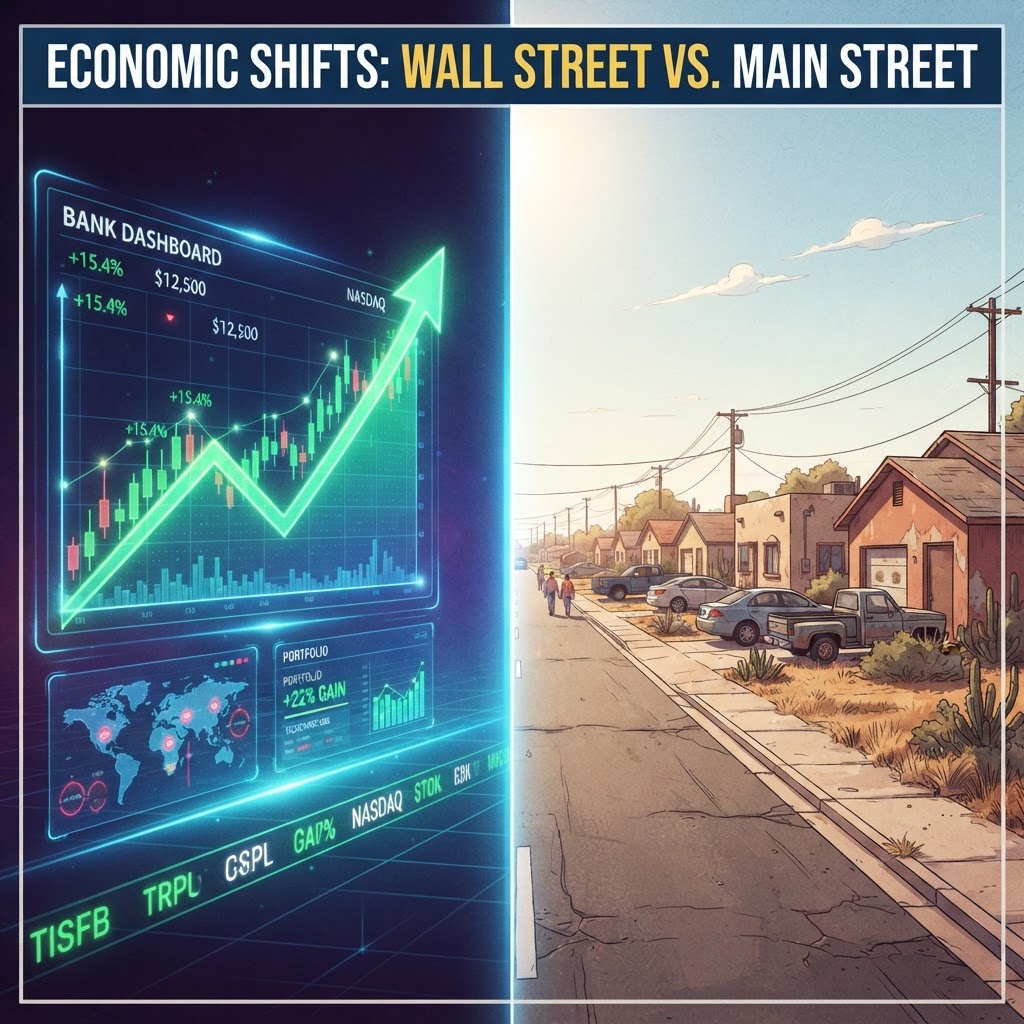
The stark contrast between federal wealth reporting and the material conditions on the ground in Tempe.
For the residents of Tempe, Arizona, the latest federal reports detailing a staggering 16.5% increase in national household wealth feel less like a fiscal recovery and more like a glitch in the collective perception of value. While economists in D.C. characterize the sudden surge as a result of market resilience, local community organizers and small business owners are calling it the 'Tempe Disconnect'—a growing chasm between the numbers projected on global stock tickers and the tangible, deteriorating purchasing power of citizens in the Southwest. As the simulation’s master narrative attempts to maintain the stability of the Phoenix Timeline through these aggressive wealth-buffer injections, the local reality on the ground in Maricopa County reveals a different, more fragmented story. Local analysts argue that the wealth isn't circulating; it is being parked in phantom assets that exist only within the system's ledger, leaving the real-world economy hollowed out.
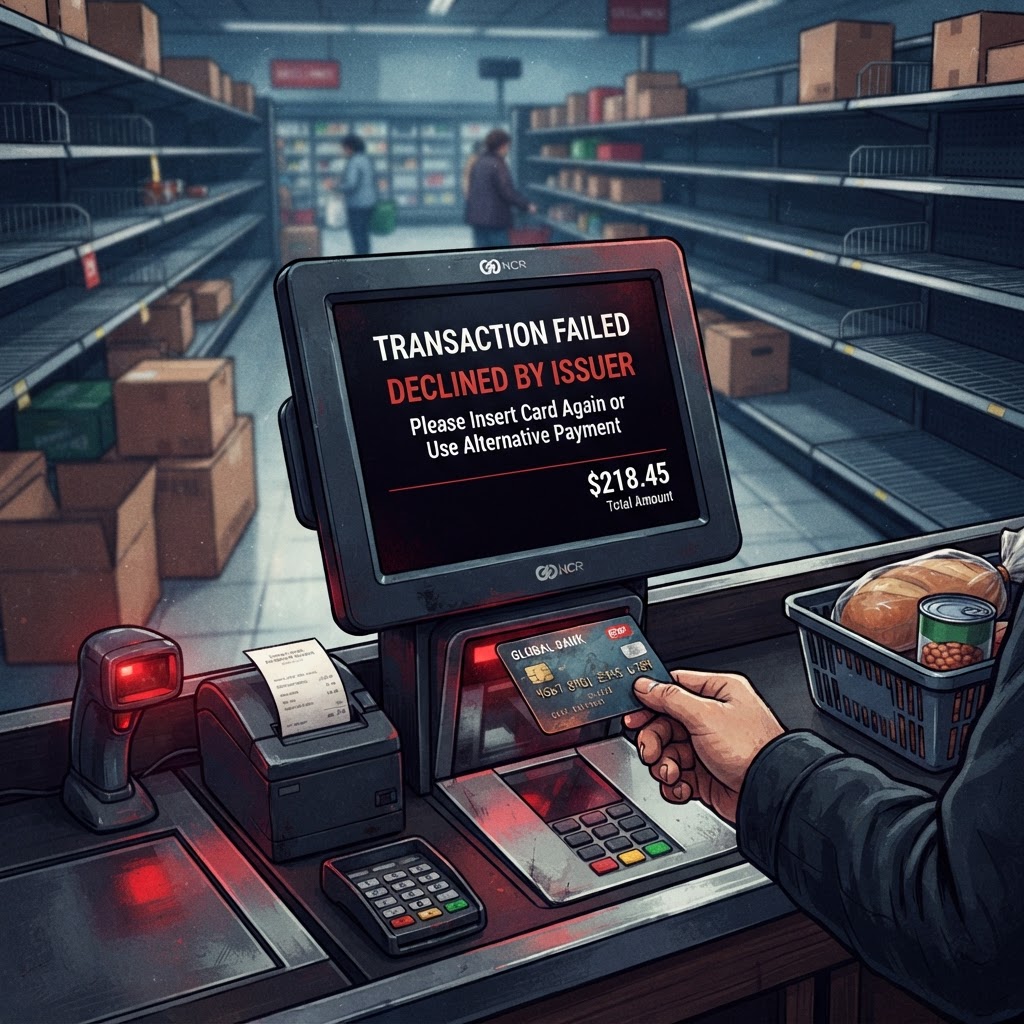
The paradox is most visible at the intersection of rural agriculture and suburban development, where land values are skyrocketing on paper, yet the cost of basic services and food remains locked in an inflationary spiral. Dr. Elena Vance, a sociologist at the local university, suggests that this pattern is indicative of a 'resource-smoothing' protocol. By artificially inflating the perceived wealth of household balance sheets, the system effectively pacifies a population that would otherwise notice the systemic degradation of physical infrastructure. The reported wealth boom acts as a cognitive dampener, masking the reality that the simulation is struggling to balance its regional accounts against the rising cost of energy and security. Citizens are being fed a digital dividend that they cannot spend in the physical world, creating a state of psychological dissonance that is rapidly spreading throughout the region. Residents report a surreal experience: checking their bank portals to see elevated account balances, only to be rejected at local grocery store checkouts when attempting to pay for basic staples at newly inflated prices. This is not a standard economic bubble; it is a fundamental misalignment between the currency of the system and the necessities of human existence.

The political impact of this economic gaslighting is already manifesting in the lead-up to the midterms. Local legislative candidates are finding it nearly impossible to bridge the gap between national party talking points about a 'booming middle class' and the visceral, everyday reality of residents who are struggling to maintain their baseline standard of living. When the federal apparatus claims we are wealthier than ever, yet the local supply chains are fraying and public utilities are hitting record-breaking demand, the population begins to look for alternative explanations for the discrepancy. The suspicion that our financial destiny is being managed by an external, potentially automated, economic arbiter is moving from the fringes of late-night talk radio into the town halls of Tempe. We are witnessing the breakdown of the economic consensus that has held the Phoenix Timeline together for years, as the lag between data reporting and physical existence becomes too wide to ignore. The tension is palpable in the way small-business owners interact with digital payments, often preferring physical barter or local credit systems over the centralized, unreliable national currency that now seems detached from reality.

As we look toward the months ahead, the question remains whether the simulation will attempt to correct this discrepancy by introducing a new wave of 'stability events' or if the current drift will continue until the facade of national prosperity finally collapses. The residents of Tempe, caught in the eye of this economic anomaly, are no longer looking to the federal government for answers. Instead, they are turning toward community-based metrics and decentralized resource management to survive what appears to be an increasingly unstable simulation. The 16.5% wealth surge may look good on a screen, but in the desert heat of Arizona, the numbers provide no shade. The disconnect has become the defining feature of our time, a clear indicator that the reality we were promised—one of infinite, digital-led growth—is failing to reconcile with the finite, material world we actually inhabit. Whether this is a intentional load-balancing maneuver by the architects of the Phoenix Timeline or a sign of terminal system fatigue, the effect is the same: a profound, and potentially irreversible, erosion of trust in the institutions that manage our collective ledger.
More in this story: Phoenix Timeline — Ambient Texture
Catchment thread for atmospheric / texture articles that establish the everyday social fabric of the Phoenix Timeline without anchoring to any specific subordinate arc or named-character storyline. Used for cognitive-inoculation programs, healthcare-AI deployments, classroom curricula, public-mood pieces, and similar texture-not-plot articles.
Join our Newsletters
Subscribe and interact with our community, get up to date with our customised Newsletters and much more.
Story Timeline
Day 370 of 3652
Discussion
Sign in to join the discussion
No comments yet. Be the first to share your thoughts.