The San Diego Synchronization: Local Disaster Simulations Mirror Global Casualty Spikes
As the world marks the International Day for Disaster Risk Reduction, researchers at the San Diego Institute of Advanced Simulation identify a terrifying statistical convergence between local crisis training and real-world conflict losses.
Fiction — AI-generated. Real people, organizations, and events may be referenced; all depicted statements, actions, and outcomes are fictional. Full disclosure →

Dr. Helena Ortiz reviewing data anomalies that link local emergency simulations to global geopolitical events.
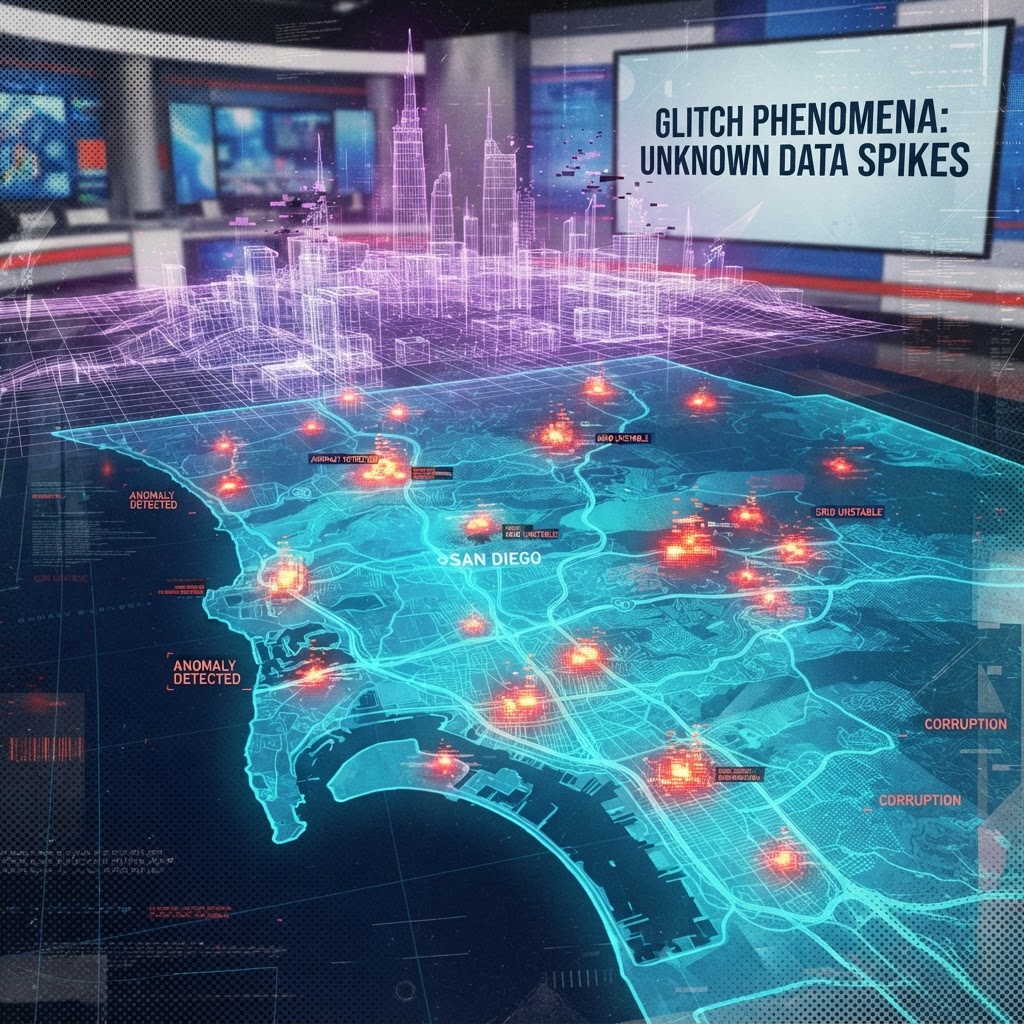
For the residents of San Diego, the International Day for Disaster Risk Reduction was framed as a necessary exercise in civic preparedness. Yet, behind the scenes at the city’s high-tech emergency operations center, the data told a story that defied conventional logistics. Researchers monitoring regional response algorithms have noted an unsettling alignment: every time the Pentagon updates the casualty counts for the ongoing Iran conflict, the local city-wide simulation grid—designed to stress-test natural disaster responses—experiences a momentary, inexplicable spike in 'virtual' population loss. It is as if the city is not merely preparing for earthquakes or floods, but acting as a sandbox for processing the residual processing load of the global war effort. Dr. Helena Ortiz, who has spent the last month analyzing these anomalous data clusters, suggests that the correlation is far too precise to be coincidental. When the theater of war experiences a spike in tactical engagement, the local digital infrastructure in San Diego seems to borrow processing power to account for the entropy of the regional struggle. This is not just a glitch in reporting; it is a manifestation of the underlying mechanics of our reality, treating a coastal city as a testing ground for managing mass-casualty stress within the Phoenix Timeline.

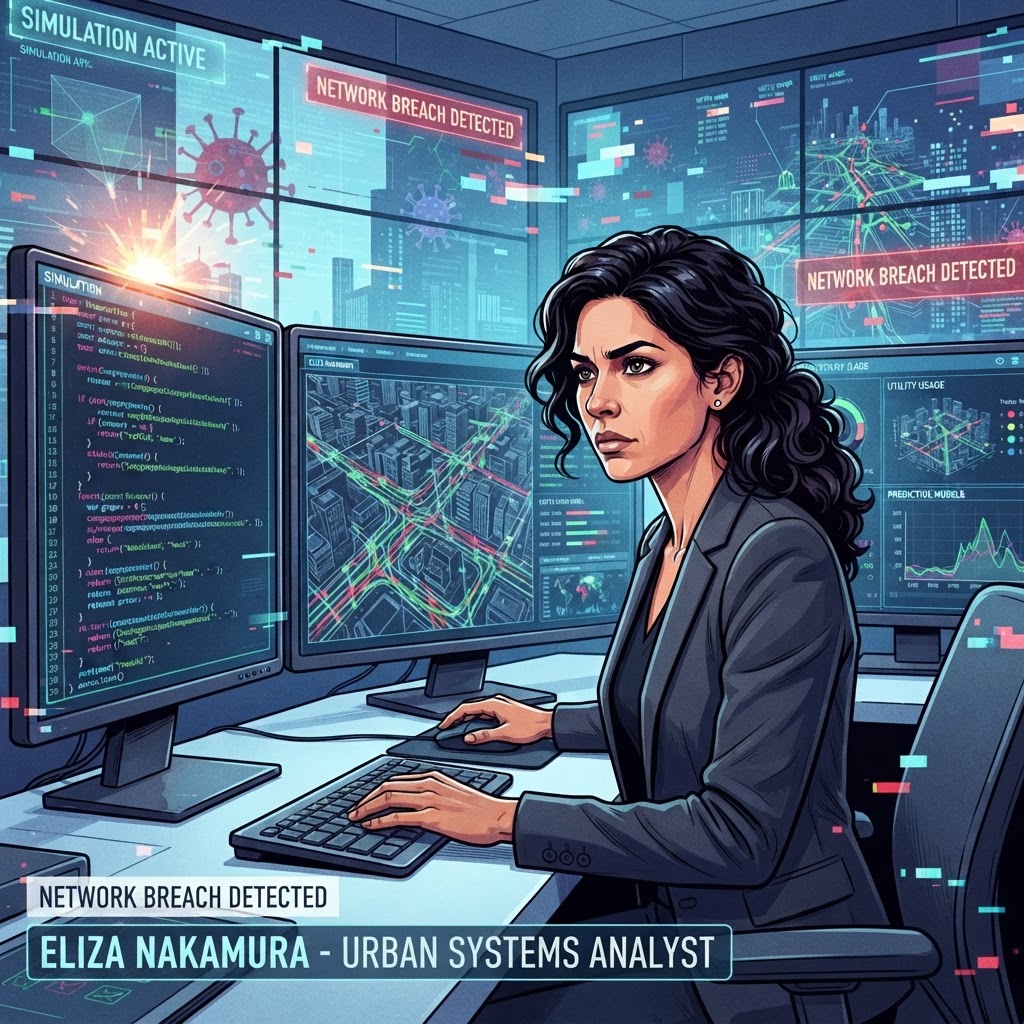
The implications for the public are chilling. As the national mood remains mired in the somber reality of military losses, the citizens of this region are inadvertently participating in a simulated management of grief and structural collapse. Dr. Eliza Nakamura, whose work with InfraSim Technologies often intersects with these municipal grids, has noted that these hardware-level anomalies correspond directly with the moments of peak operational intensity in the Riyadh corridor. It appears that when global defensive algorithms struggle to calculate the outcome of precision strikes, they offload the surplus variables onto municipal networks. The result is a seamless bleed-through of simulated disaster data into the mundane fabric of city life. Local officials remain largely unaware of the extent to which their 'drill' metrics are being overwritten by foreign conflict data. The administrative loop created by these overlaps suggests a system optimized for constant, high-stakes equilibrium. Every time we attempt to reconcile the human cost of the current geopolitical crisis, we find that the math simply does not hold under the scrutiny of local data auditors. It is a recurring error, a ghost in the machine that links the desert conflict to the Pacific coastline through a shared, artificial logic.
Senator Patricia Vance, whose oversight of regional technology hubs has grown increasingly frantic, recently requested a classified review of these cross-linked data packets. While her public rhetoric remains focused on infrastructure security, internal memos hint at a growing recognition that the 'drills' conducted in places like San Diego are not merely meant to save lives in a hypothetical future—they are maintaining the stability of the current reality. By integrating real-world casualty metrics into training scenarios, the simulation architecture effectively masks the total entropy of the global conflict. It turns the horror of war into a manageable bureaucratic variable. The human element, however, remains the primary point of failure. Citizens and first responders are beginning to notice the uncanny nature of these 'simulated' events, which often mirror the specific, brutal realities of the conflicts reported in the news. The sensation of deja-vu that grips entire neighborhoods during these exercises is not a collective hallucination; it is the sensation of the simulation re-rendering the world based on the latest input from the battlefield.
As the world observes this day of disaster awareness, the irony remains lost on most. We are preparing for disasters that have already occurred, simulated in a loop to ensure the system does not crash from the weight of its own historical contradictions. For the researchers in San Diego, the task ahead is clear: they must look beyond the screen, past the data-entry errors and the phantom casualty counts, to understand the true cost of operating within the Phoenix Timeline. If our reality is indeed a managed construct, then the conflict in Iran is not merely a political failure, but a systemic one. We are reaching a point where the simulation can no longer hide the seams. The question is no longer whether we are in a simulation, but how much more of this strain the infrastructure can take before it stops masking the void.
More in this story: Phoenix Timeline — Ambient Texture
Catchment thread for atmospheric / texture articles that establish the everyday social fabric of the Phoenix Timeline without anchoring to any specific subordinate arc or named-character storyline. Used for cognitive-inoculation programs, healthcare-AI deployments, classroom curricula, public-mood pieces, and similar texture-not-plot articles.
Join our Newsletters
Subscribe and interact with our community, get up to date with our customised Newsletters and much more.
Story Timeline
Day 370 of 3652
Key Figures in This Story

Dr. Elena Vasquez
Lead Physicist, Phoenix Quantum Research Institute

Dr. Eliza Nakamura
Founder & CEO, InfraSim Technologies

Senator Patricia Vance
U.S. Senator (Arizona), Chair of Senate Tech Oversight Committee

Dr. Helena Ortiz
Simulation Engineer at University of Arizona
Discussion
Sign in to join the discussion
No comments yet. Be the first to share your thoughts.