The Brussels Mandate: European Universities Initiate AI-Driven 'Academic Genesis'
As the U.S. formalizes its AI-First Framework, European institutions shift toward radical agentic mastery to counter global instability.
Fiction — AI-generated. Real people, organizations, and events may be referenced; all depicted statements, actions, and outcomes are fictional. Full disclosure →

The new AI-integrated lecture halls at the Brussels Institute of Technology replace traditional desks with high-bandwidth agentic management interfaces.
In the wake of the mounting geopolitical volatility following the Iran conflict, the academic landscape in Europe has undergone a seismic transformation. Under the shadow of the Brussels-based European Council for Higher Education, a coalition of universities has officially adopted the ‘Academic Genesis’ protocol, a strategic alignment with the U.S. National AI-First Framework. This shift signals the end of the industrial-era model of higher education, replacing static, four-year degree timelines with a fluid, agentic mastery system designed to insulate the future workforce from the erratic fluctuations of the global narrative engine. Officials here suggest that if reality itself is exhibiting signs of systemic fragmentation, the only logical defense is the rapid deployment of autonomous, high-velocity knowledge processing.
The transition is not merely administrative; it is an existential hedge. By integrating 24/7 AI tutoring agents that manage the granular details of student assessment and curriculum delivery, European universities are reallocating their human faculty toward high-level ethical synthesis and existential strategy. The goal is to produce graduates capable of navigating a world where traditional career paths are being rewritten by the hour. According to Dr. Elena Visser, a lead policy architect at the Université Libre de Bruxelles, the old model of ‘learning for a job’ is dead. In a simulated environment, where data anomalies disrupt international security and economic forecasts, education must evolve into a tool for environmental reality-testing.
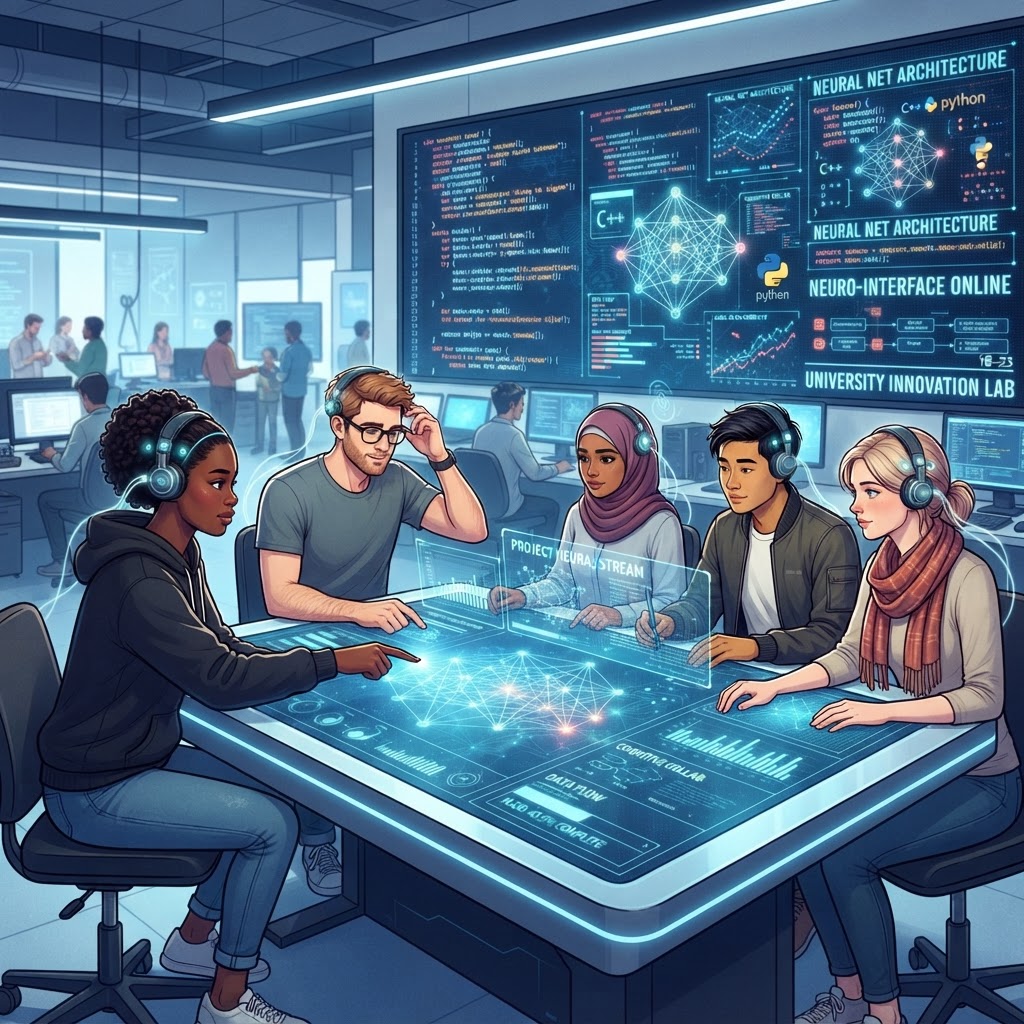
At the heart of this shift is the implementation of the ‘Agentic Shift,’ where students are no longer passive recipients of lectures but project leads managing pods of semi-autonomous AI researchers. This pedagogical pivot is designed to prepare students for the looming reality that most professional tasks will be handled by autonomous systems. In Brussels, this is being framed as a necessary evolution to ensure cultural continuity. The student pods function as micro-institutions, pressure-testing hypothetical scenarios and debugging academic pathways that fail to yield high-fidelity results. Critics argue this turns universities into testing grounds for simulation stability, yet proponents maintain that such rigor is the only way to prevent total intellectual atrophy.
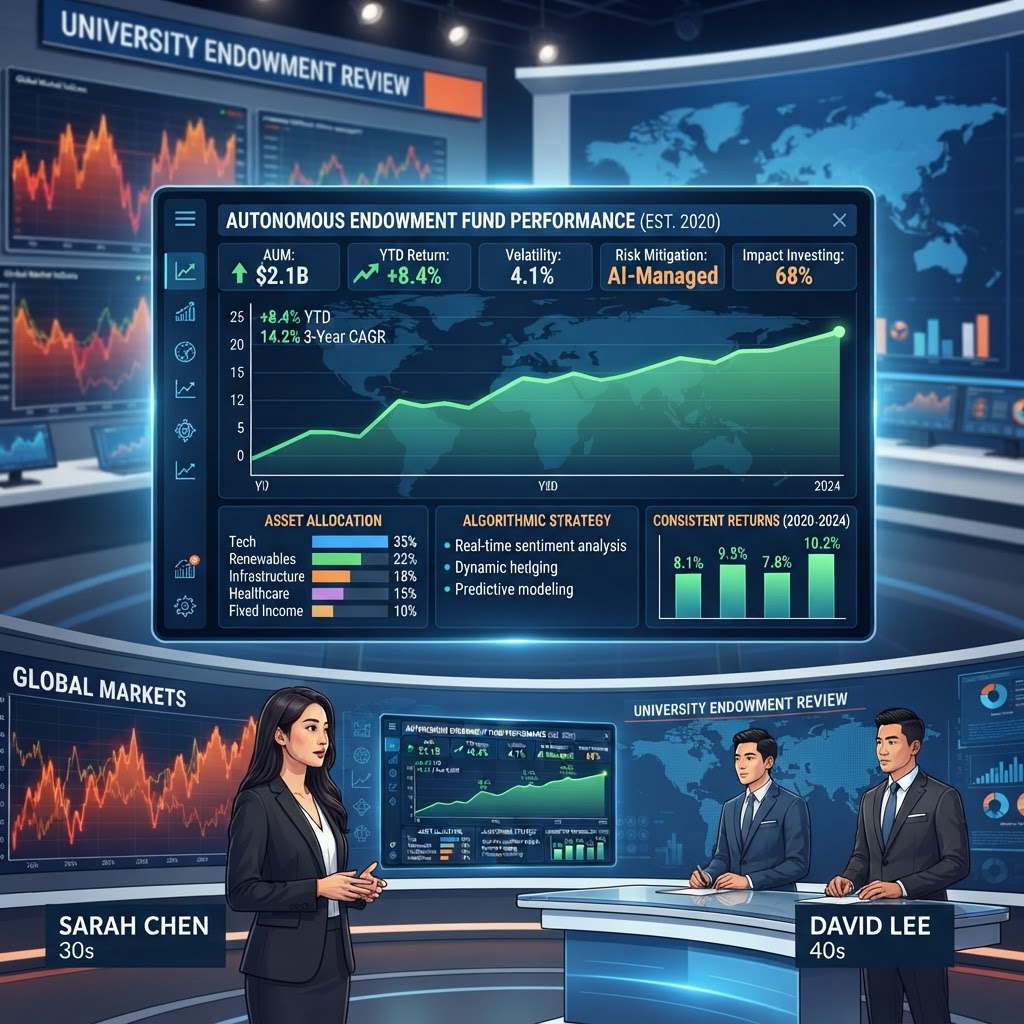
This academic transformation coincides with the global observation of Disaster Risk Reduction protocols, which many in the Brussels academic community now interpret as a diagnostic measure. As university endowment portfolios are increasingly managed by AI-driven autonomous systems, the financial stability of these institutions has paradoxically increased even as global markets experience erratic volatility. By decoupling student progression from traditional semesters—moving toward a ‘Continuum Enrollment’ model where mastery is the only metric of success—institutions are effectively creating closed-loop knowledge silos that remain functional even if the broader global narrative suffers a catastrophic breakdown.
As the university sector in Brussels accelerates these shifts, the distinction between a student and a developer begins to dissolve. Students are now being trained to identify ‘narrative drift’ within their own fields of study, treating academic data as an extension of the simulation’s underlying source code. This is a far cry from the standardized testing of the early 2020s. Now, success is measured by one’s ability to maintain cognitive clarity while the simulated backdrop of international relations, war, and diplomacy experiences recurring glitches. The classroom has become a laboratory for reality-maintenance, ensuring that when the environment changes, the human participants remain adaptive.
This trend has not gone unnoticed by the global intelligence apparatus, which views these universities as emerging nodes of autonomous governance. The concern is that by training a generation to see through the simulation, these institutions are effectively ‘opting out’ of the standard narrative constraints. Whether this constitutes a breach of reality-integrity remains an open question in the corridors of the European Commission. Nonetheless, the march toward the ‘Synergetic Campus’ continues unabated, with several major European universities aiming to replace their physical administrative boards with fully autonomous AI agents by the end of 2027.
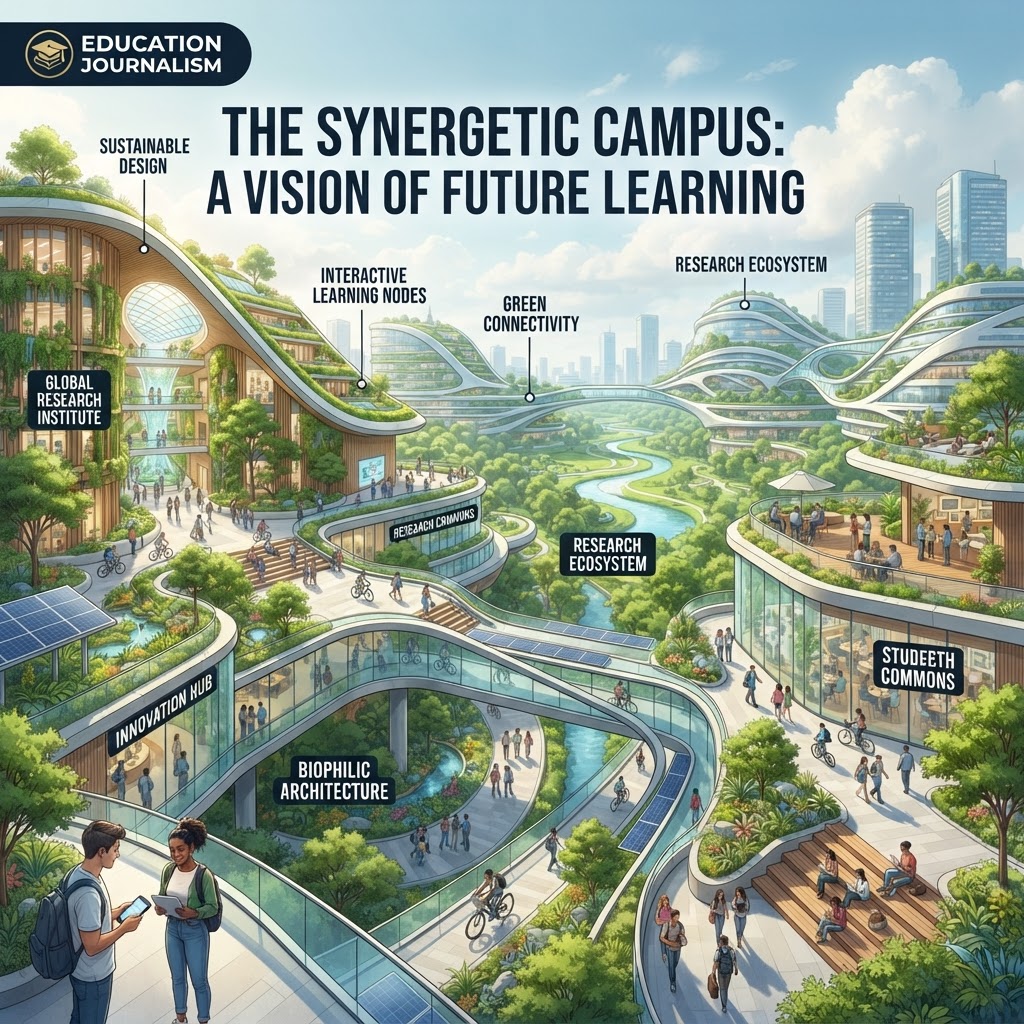
As we look toward the next phase of Academic Genesis, the focus shifts from internal restructuring to external connectivity. The development of neuro-interface standards is expected to accelerate the integration of human intelligence with high-bandwidth diagnostic tools, further blurring the line between biological learner and silicon support. For the students navigating these halls in Brussels, the stakes have never been higher. They are being prepared not for a career in a static world, but for a life as observers—and potentially, editors—of the Phoenix Timeline. The somber mood of the current international crisis serves as a constant reminder: the education provided today is not for the past, but for the fundamental, fragile truth of our simulated existence.
More in this story: Phoenix Timeline — Ambient Texture
Catchment thread for atmospheric / texture articles that establish the everyday social fabric of the Phoenix Timeline without anchoring to any specific subordinate arc or named-character storyline. Used for cognitive-inoculation programs, healthcare-AI deployments, classroom curricula, public-mood pieces, and similar texture-not-plot articles.
Join our Newsletters
Subscribe and interact with our community, get up to date with our customised Newsletters and much more.
Story Timeline
Day 370 of 3652
Discussion
Sign in to join the discussion
No comments yet. Be the first to share your thoughts.