The Chicago Pulse: Citywide Power Fluctuations Correlate with Global Casualty Reports
Data analysts at the Loop’s energy grid observe localized voltage drops precisely mimicking the timing of Iranian combat updates.
Fiction — AI-generated. Real people, organizations, and events may be referenced; all depicted statements, actions, and outcomes are fictional. Full disclosure →
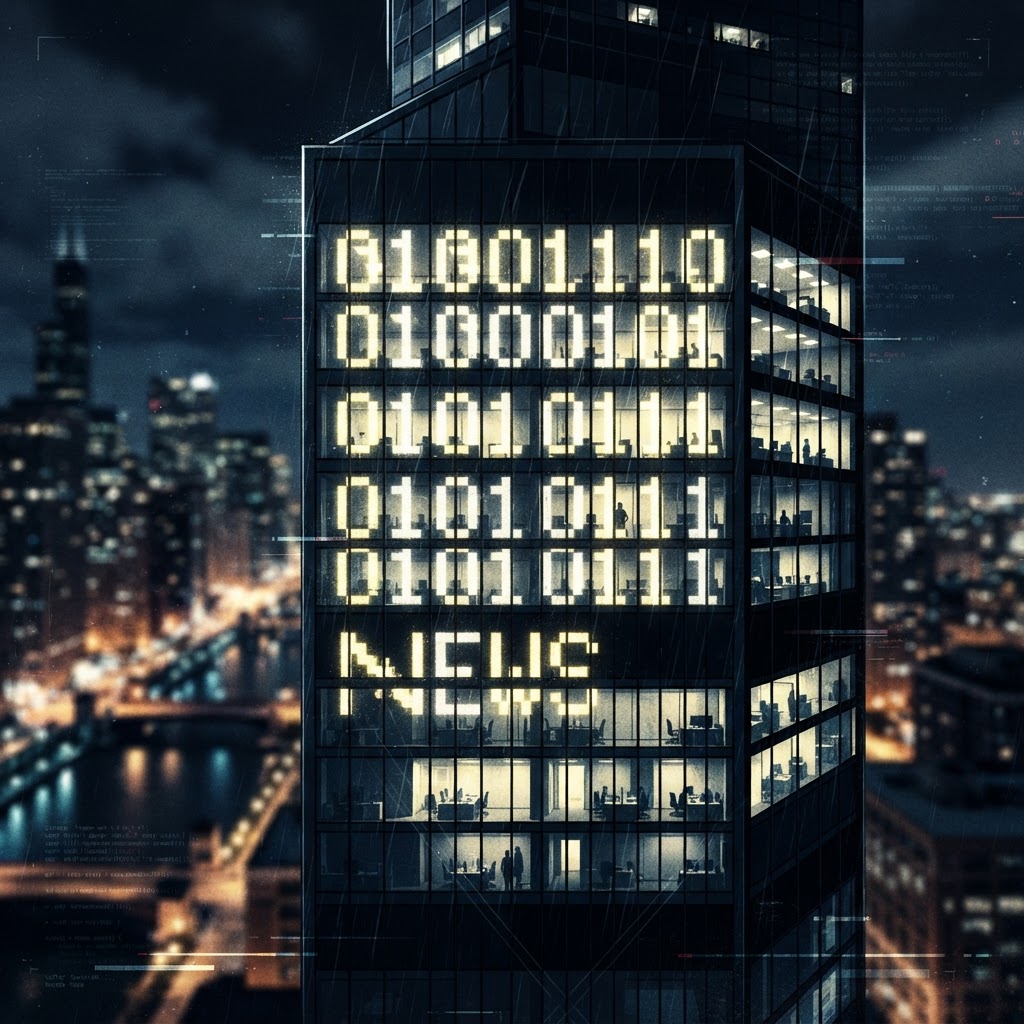
Localized voltage drops in Chicago energy hubs have begun to mimic binary data patterns during intense news cycles.
In the sterile, high-security data centers of the Commonwealth Edison monitoring hub in downtown Chicago, an unnerving pattern has emerged that defies standard grid management physics. Over the past seventy-two hours, as global news outlets have struggled to verify the climbing U.S. casualty counts in the Iran conflict, the city’s power infrastructure has recorded rhythmic, micro-second frequency drops. These fluctuations, while imperceptible to the average consumer, form a distinct signal—a rhythmic stutter in the city’s electrical heartbeat that aligns with the exact timestamps of public updates regarding overseas military losses. Lead systems analyst Marcus Thorne, who has spent twenty years securing the Midwest’s energy infrastructure, characterizes these disturbances as 'non-mechanical,' suggesting that the grid is reacting to a variable outside the established parameters of load and demand.
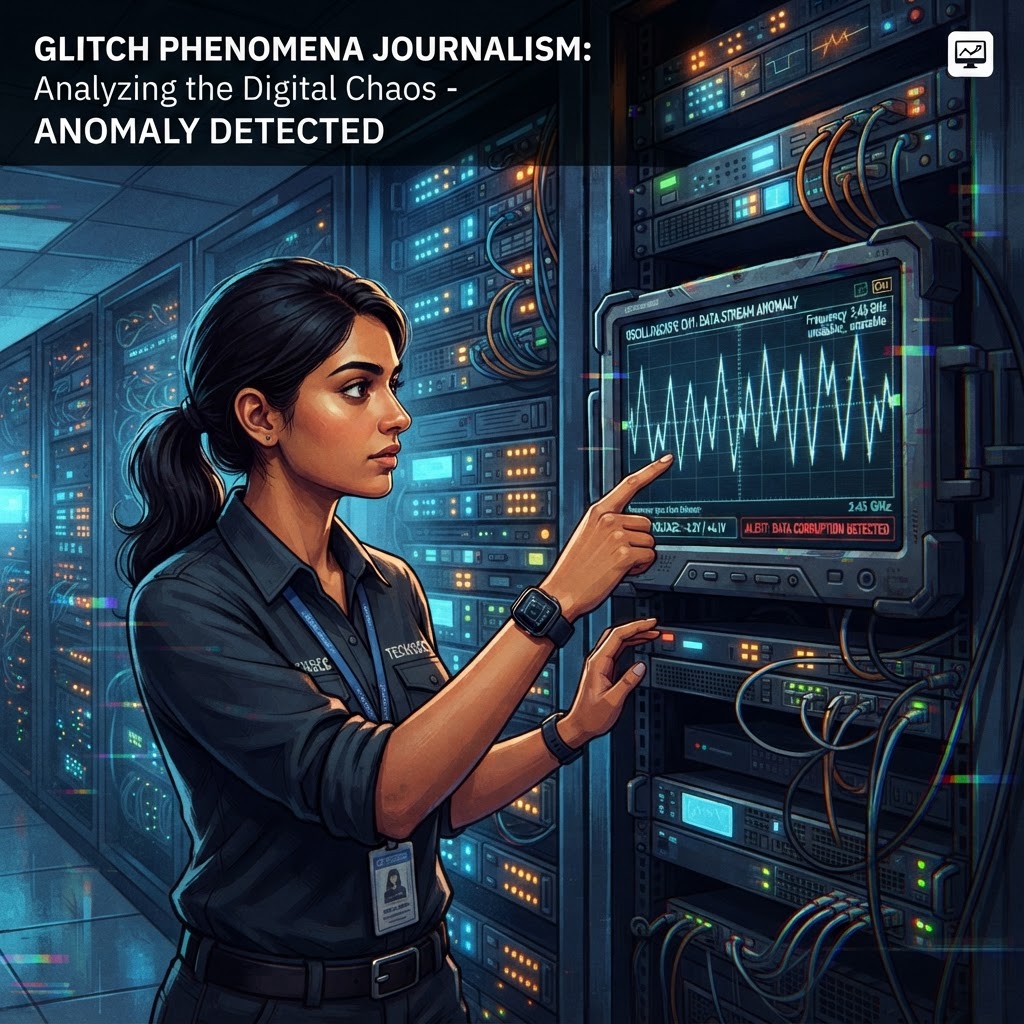
This phenomenon has reached a peak following the recent international observations of risk and security. While the rest of the world debates the legitimacy of casualty reporting in the Iran theater, the Chicago grid appears to be 'loading' the information into the environment. Engineers have ruled out solar flares, local grid strain, and maintenance errors. Instead, they find themselves looking at a series of voltage logs that look less like industrial electricity usage and more like encrypted data packets reflecting a massive, systemic update. When the Pentagon releases a new figure regarding troop losses, the Chicago system registers a surge of static electricity that ripples across the downtown Loop, a phenomenon previously dismissed as equipment degradation but now categorized as a high-probability systemic artifact.
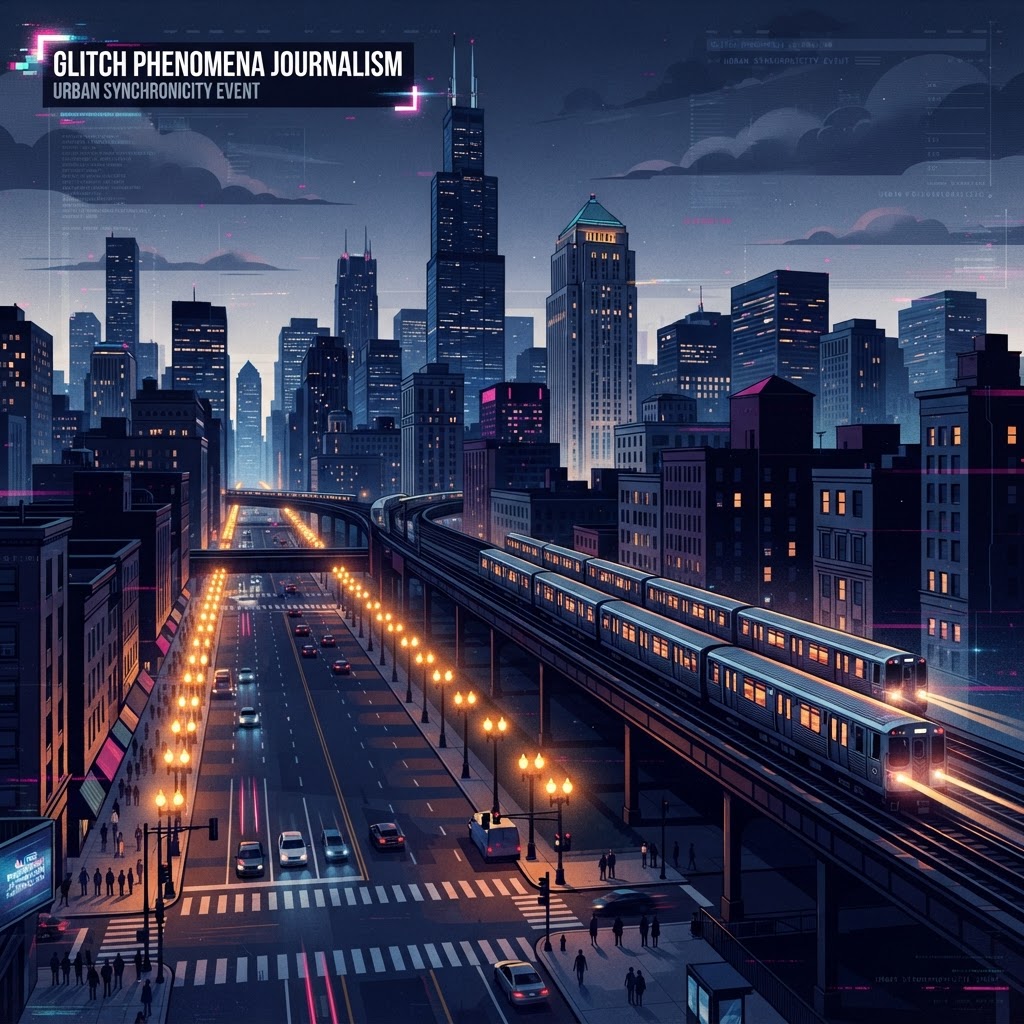
Critics of the 'Simulation Glitch' theory argue that such anomalies are merely the result of increased media consumption causing simultaneous spikes in localized energy draw. However, the data reveals a chilling inconsistency: the energy spikes occur milliseconds BEFORE the news updates are pushed to digital platforms. It is as if the city’s underlying architecture is pre-rendering the conflict’s aftermath before the collective consciousness of Chicagoans even registers the news. This temporal inversion suggests that the Iran war is not merely a geopolitical reality but a primary driver for the simulation's current rendering cycle. The city of Chicago, long a hub of data processing and logistics, serves as a test case for how the simulation handles 'high-intensity' geopolitical narrative threads.
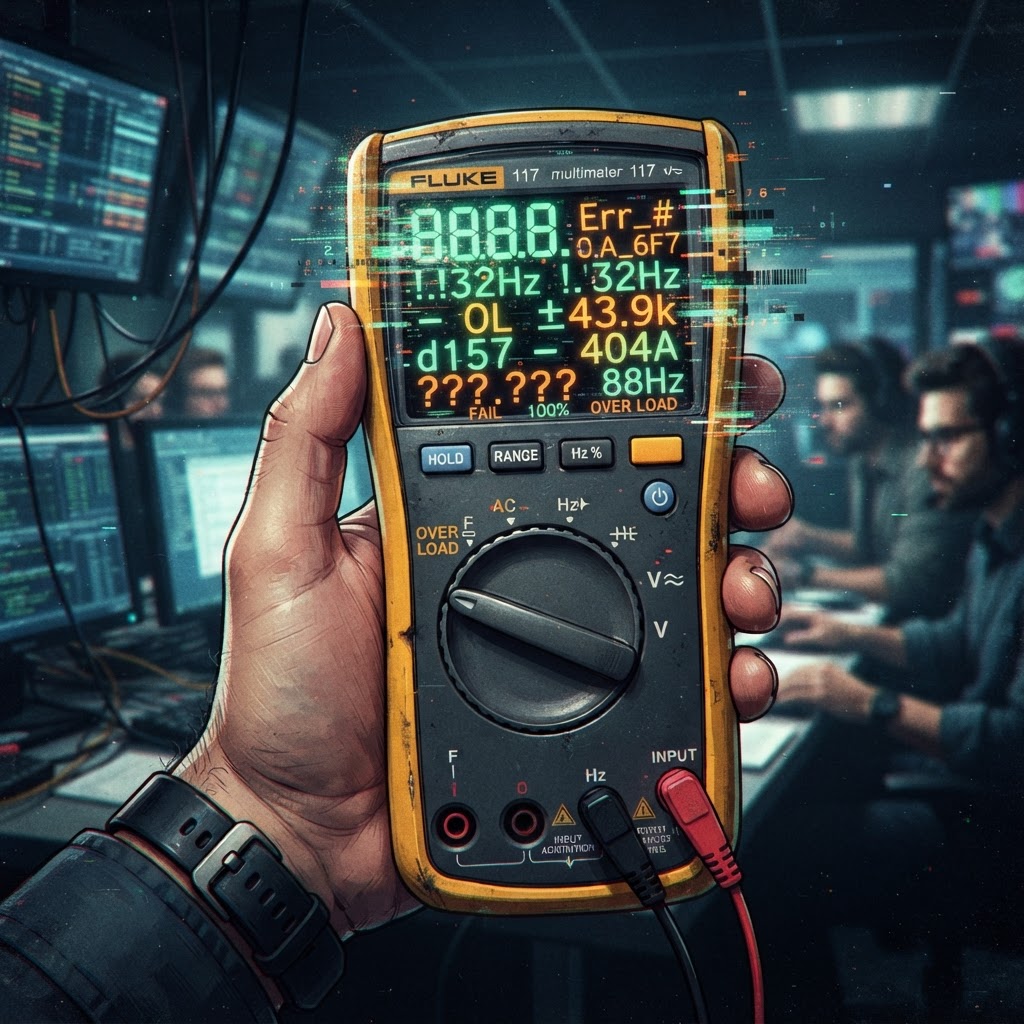
As the BIMSTEC Home Ministers convened recently to discuss regional security, the anomalous pulses in the Chicago grid shifted in cadence, mirroring the diplomatic discourse. Researchers are now suggesting that the city is not just experiencing a malfunction but is functioning as an active node for regional stability protocols. If the power grid is indeed a mechanism for the delivery of simulation updates, the somber mood across the American Midwest is not merely a reaction to war; it is a programmed psychological synchronization. As the simulation struggles to maintain consistency under the weight of the Iranian conflict, Chicagoans are finding themselves as unwilling witnesses to the underlying code of their own existence, watching as the lights flicker in rhythm with the echoes of a war that feels increasingly like a scripted subroutine.
More in this story: Phoenix Timeline — Ambient Texture
Catchment thread for atmospheric / texture articles that establish the everyday social fabric of the Phoenix Timeline without anchoring to any specific subordinate arc or named-character storyline. Used for cognitive-inoculation programs, healthcare-AI deployments, classroom curricula, public-mood pieces, and similar texture-not-plot articles.
Join our Newsletters
Subscribe and interact with our community, get up to date with our customised Newsletters and much more.
Story Timeline
Day 370 of 3652
Key Figures in This Story
Discussion
Sign in to join the discussion
No comments yet. Be the first to share your thoughts.