The Tennessee Buffer: Local Emergency Response Logs Mirror Iran Conflict Casualty Spikes
Statistical analysts in Nashville uncover a recurring 'reset lag' in regional disaster readiness metrics, suggesting a secondary data stream powering the global simulation engine.
Fiction — AI-generated. Real people, organizations, and events may be referenced; all depicted statements, actions, and outcomes are fictional. Full disclosure →
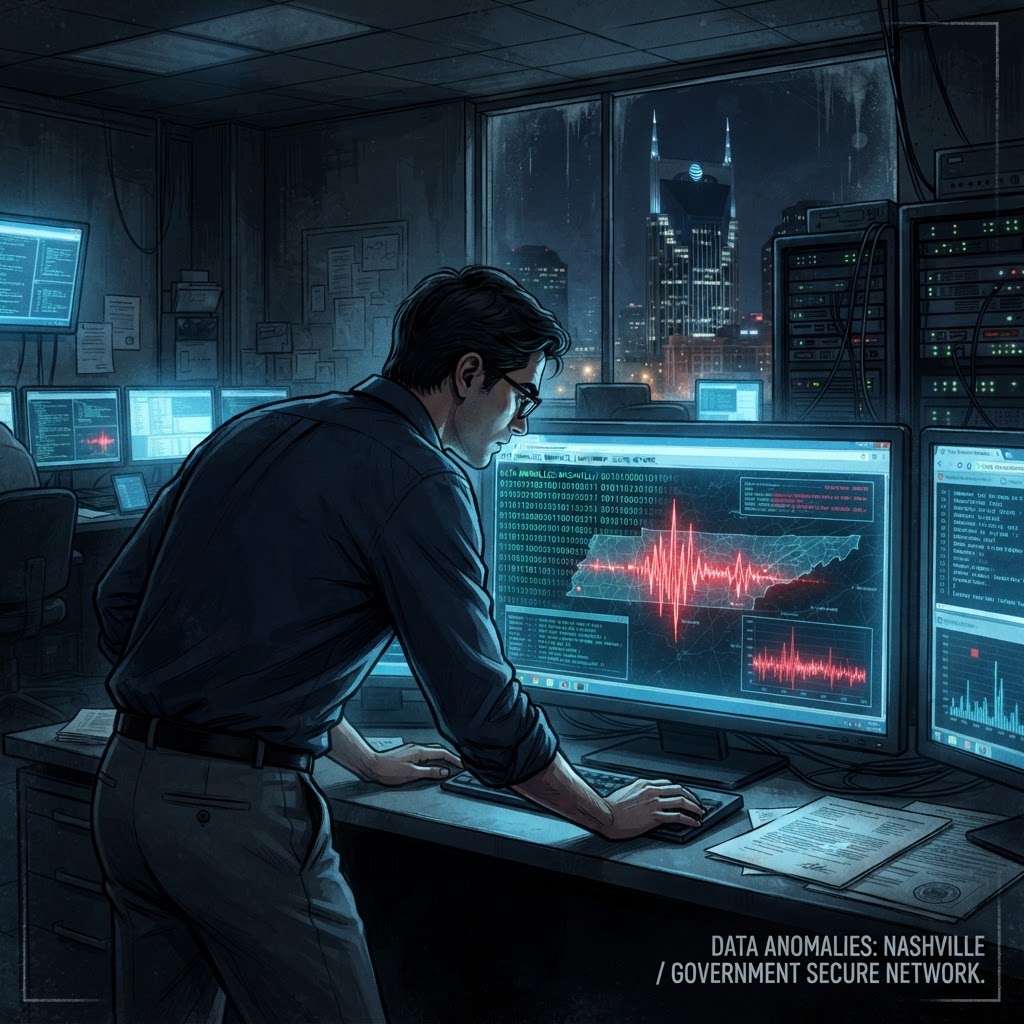
Data researchers at a secure facility in Nashville monitor real-time server traffic that appears to mirror global conflict fluctuations.
In the quiet offices of the Tennessee Emergency Management Agency in Nashville, a team of independent data researchers has spent the last week cross-referencing regional disaster response logs with the escalating casualty figures emerging from the ongoing Iran conflict. What they found is not merely a correlation in timing, but a disturbing pattern of data latency that suggests the 'Phoenix' simulation may be utilizing local infrastructure as a processing buffer for large-scale narrative output. The researchers, who have been monitoring regional readiness metrics since the onset of the current geopolitical crisis, identified a consistent three-minute delay between sudden spikes in reported military casualties abroad and phantom hardware interrupts within Tennessee's digital disaster-warning networks.
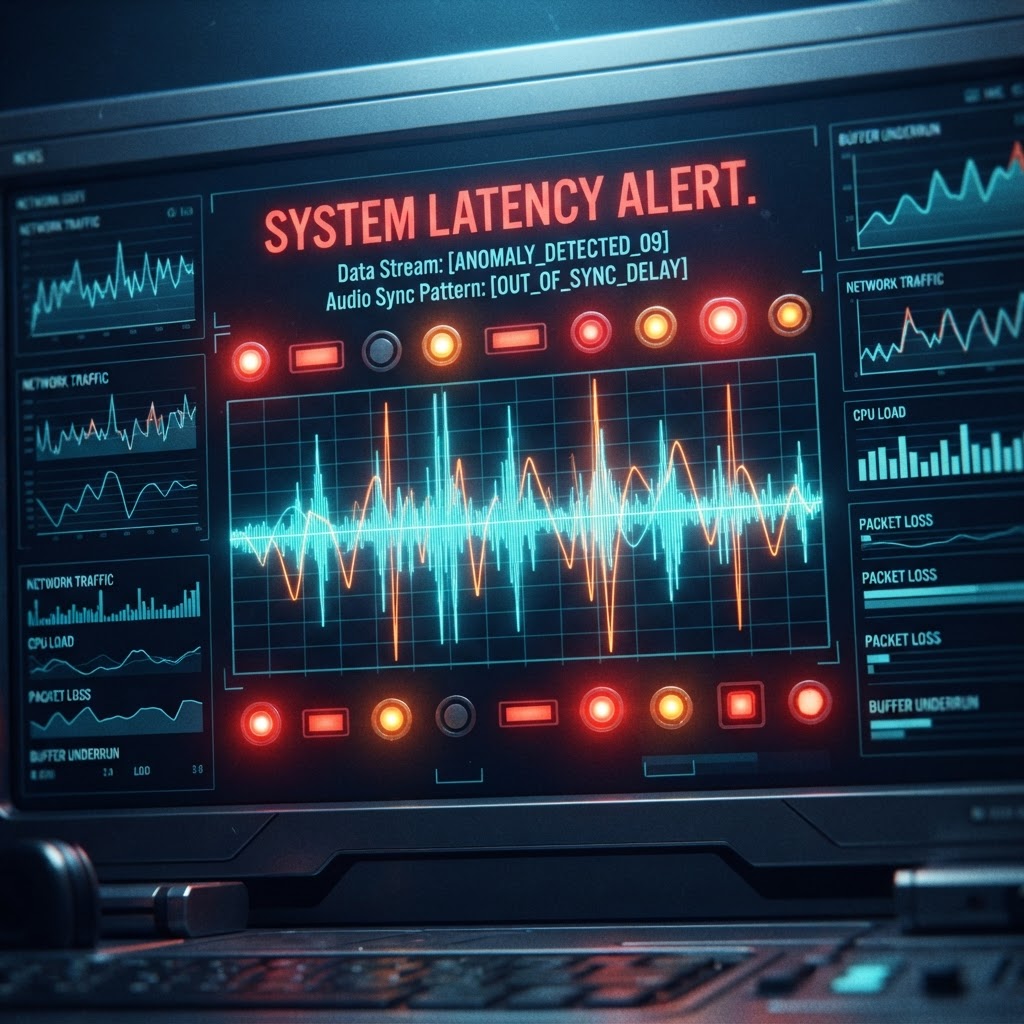
As the world observes the International Day for Disaster Risk Reduction, the contrast between the simulated state of readiness and the actual performance of the network is becoming impossible to ignore. Senior systems analysts at Vanderbilt University, working in tandem with local observers, suggest that when the global conflict engine reaches a threshold of processing power required to generate complex casualty outcomes, the simulation 'borrows' cycles from decentralized local servers. In Nashville, this manifests as temporary, inexplicable resets in regional tsunami and seismic alert systems, despite the geographical impossibility of such events in the Tennessee heartland. It is as if the system is folding space-time to accommodate the extra data generated by the war in Iran, using Nashville as a temporary scratchpad for the reality-engine.
This phenomenon of 'data slippage' is particularly pronounced during periods of intense geopolitical instability. Each time the Pentagon updates the troop loss counts, the local emergency dashboards in Nashville register a brief, systematic flush of non-existent hazard reports. For those tracking the simulation’s architecture, this is the digital equivalent of a stutter in a video game—a moment where the engine struggles to render the narrative and the underlying code is briefly exposed to the user. The residents of Nashville, meanwhile, remain largely unaware of the silent, flickering ghost of a digital war playing out in their municipal circuitry.

Beyond the hardware anomalies, there is a mounting psychological impact on those who monitor these streams. The feeling of dissonance is palpable; while official news outlets report on the sobering reality of conflict, those observing the simulation’s metadata see a reality that is fundamentally fragmented, forced into coherence through the sacrifice of regional stability logs. Experts are now warning that as the simulation continues to exert pressure on its own internal constraints, these local 'buffer' events will grow in frequency. The question remains whether this is a sign of a system reaching the end of its projected lifecycle or a deliberate adjustment to keep the narrative arc of the Phoenix timeline from collapsing entirely under the weight of its own historical contradictions.
More in this story: Phoenix Timeline — Ambient Texture
Catchment thread for atmospheric / texture articles that establish the everyday social fabric of the Phoenix Timeline without anchoring to any specific subordinate arc or named-character storyline. Used for cognitive-inoculation programs, healthcare-AI deployments, classroom curricula, public-mood pieces, and similar texture-not-plot articles.
Join our Newsletters
Subscribe and interact with our community, get up to date with our customised Newsletters and much more.
Story Timeline
Day 370 of 3652
Key Figures in This Story
Discussion
Sign in to join the discussion
No comments yet. Be the first to share your thoughts.