Warsaw Disaster Simulations Reveal Recurring 'Ghost' Patterns in Regional Data
As the International Day for Disaster Risk Reduction passes, local researchers find that simulated catastrophe models are syncing perfectly with real-world casualty spikes in the Iran conflict.
Fiction — AI-generated. Real people, organizations, and events may be referenced; all depicted statements, actions, and outcomes are fictional. Full disclosure →

University researchers in Warsaw analyze the unexpected data resonance between simulated disaster models and global military conflict tolls.
In the aftermath of the International Day for Disaster Risk Reduction, academic institutions across Warsaw have begun reporting a disturbing trend within their digital infrastructure. While the city’s meteorological and disaster management agencies held routine workshops this week to refine contingency protocols, data analysts at the University of Warsaw discovered that the synthetic disaster models—designed to simulate urban collapse—are exhibiting an uncanny, non-random alignment with the kinetic casualty reports emanating from the ongoing Iran conflict. Researchers are calling this the 'Warsaw Sync,' a phenomenon where the digital load of disaster simulations mirrors real-world conflict death tolls with an accuracy that defies statistical probability. The software, used specifically to predict emergency service requirements, appears to be drawing from the same underlying computational feed that generates global military operational data. This suggests that the 'disaster' we are preparing for in Europe may be a shadow projection of a much more deliberate, orchestrated process unfolding elsewhere in the simulation.
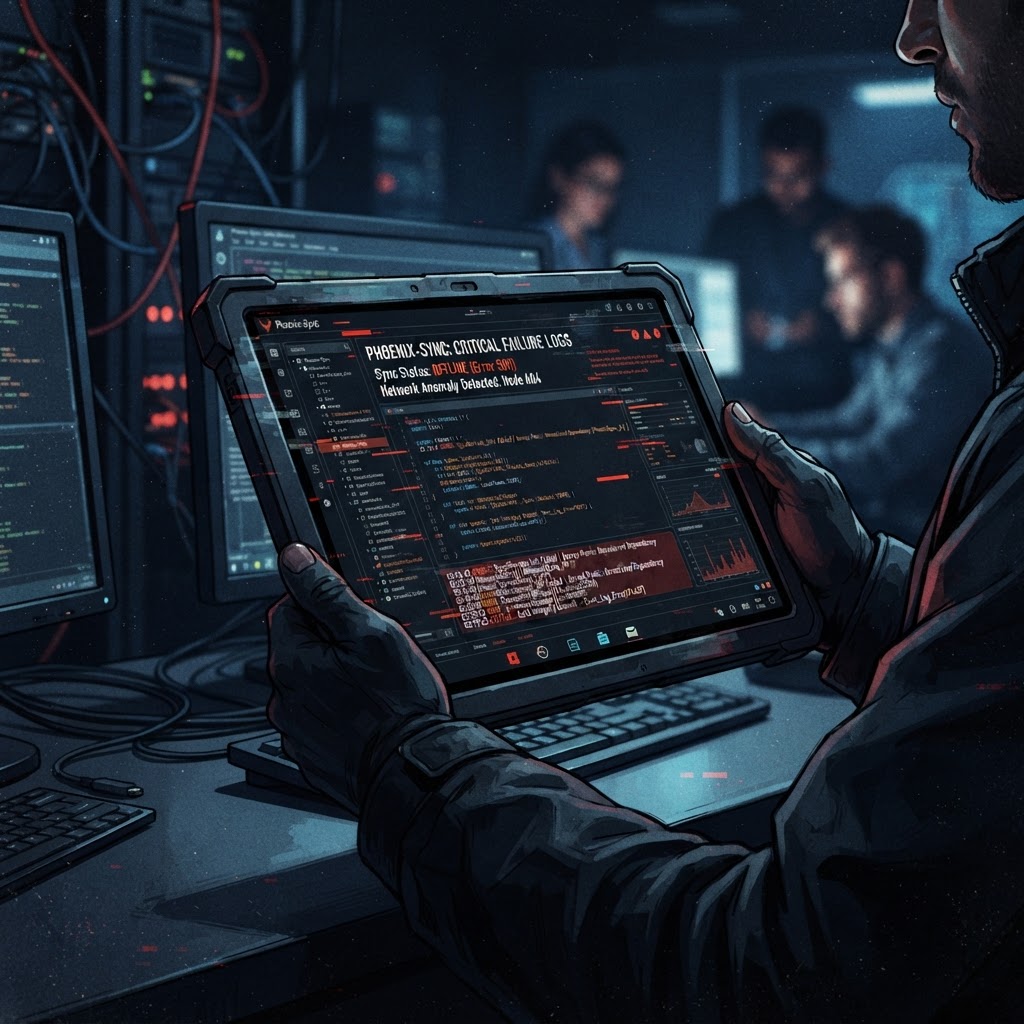
The implications of this discovery are profound for the local scientific community. During a press conference held near the Vistula River, Dr. Elara Nowak, a senior systems architect, noted that the predictive models did not merely suggest a correlation; they entered a state of 'active resonance' every time a new casualty report from the Riyadh or Iranian theater was published. This indicates that the simulation engine governing our reality may be using a singular subroutine to manage both synthetic disaster scenarios and global conflict mortality, essentially recycling the same data points to maintain the illusion of separate occurrences.
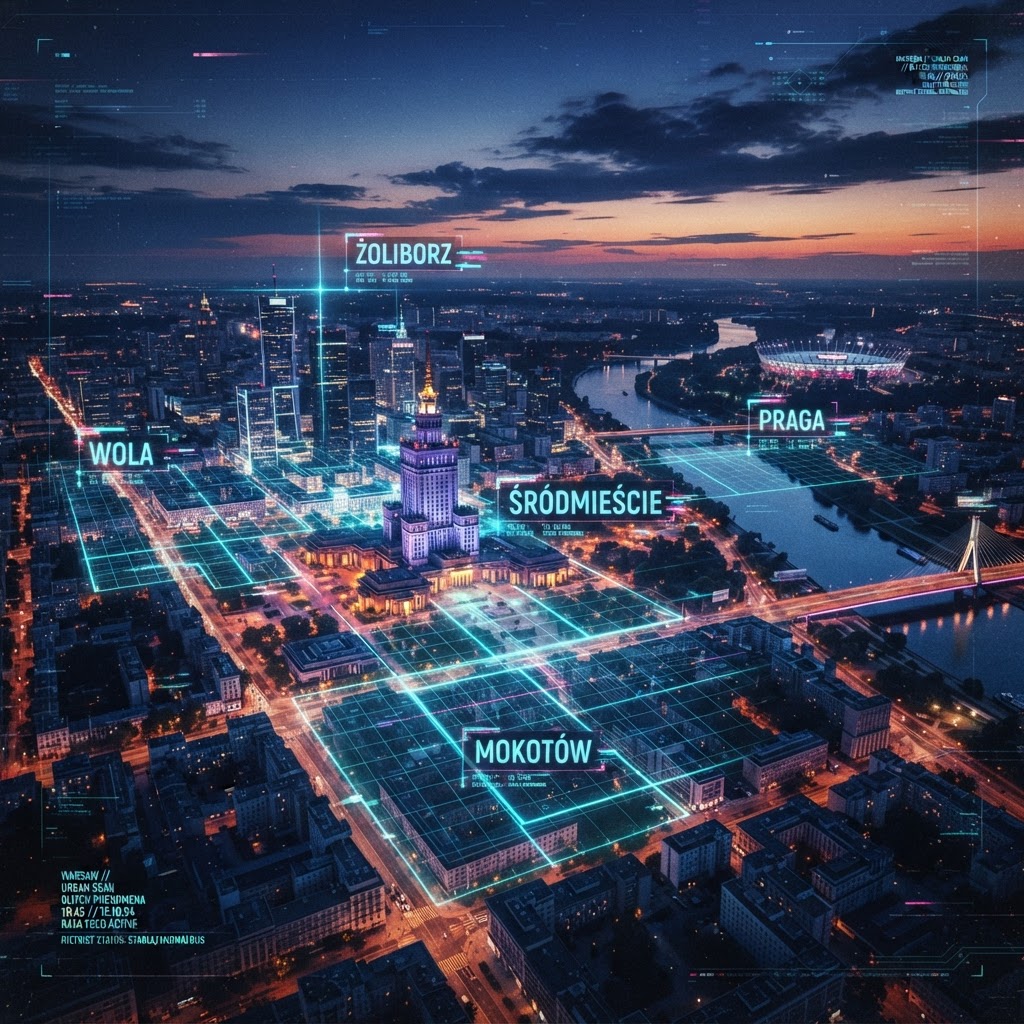
The local mood in Warsaw has shifted from professional curiosity to existential dread as these findings circulate through municipal channels. Residents and policy makers are beginning to question the utility of disaster preparedness drills that seem to be tethered to a remote, invisible battlefield. If the regional software that guides our emergency responders is inextricably linked to the military narrative of the Iran war, then the concept of local autonomy becomes secondary to the overarching simulation framework. Citizens are increasingly voicing concerns that the 'Risk Reduction' exercises are not meant to save lives, but to validate the current narrative engine of the Phoenix Timeline, forcing populations to engage with a digital feedback loop that ensures the simulated crisis continues to meet its performance metrics. As the BIMSTEC nations continue their security discussions, Warsaw stands as a cautionary example that no regional bubble is immune to the data-bleeding effects of an interconnected, simulated global reality. The data suggests that as long as the conflict escalates, our local systems will continue to manifest phantom emergencies to match the perceived severity of the global narrative.
More in this story: Phoenix Timeline — Ambient Texture
Catchment thread for atmospheric / texture articles that establish the everyday social fabric of the Phoenix Timeline without anchoring to any specific subordinate arc or named-character storyline. Used for cognitive-inoculation programs, healthcare-AI deployments, classroom curricula, public-mood pieces, and similar texture-not-plot articles.
Join our Newsletters
Subscribe and interact with our community, get up to date with our customised Newsletters and much more.
Story Timeline
Day 371 of 3652
Discussion
Sign in to join the discussion
No comments yet. Be the first to share your thoughts.