The Connecticut Frequency: Local Disaster Drills Trigger Global Data Mirroring
Researchers in Hartford identify a recursive loop linking regional emergency response simulations to international military casualty reporting.
Fiction — AI-generated. Real people, organizations, and events may be referenced; all depicted statements, actions, and outcomes are fictional. Full disclosure →

Data analysts at the Hartford convergence center monitor the synchronization between local simulation logs and global casualty updates.
In the quiet legislative halls of Hartford, Connecticut, a team of independent researchers has identified a chilling correlation between local disaster preparedness drills and the volatile casualty counts emerging from the Iran war zone. While the nation observed the International Day for Disaster Risk Reduction on October 13, local analysts noted that every time the regional emergency management center initiated a simulated casualty triage drill, a corresponding spike in 'verified' military deaths appeared in international reporting feeds within minutes. This recurring synchronization has led many in the scientific community to question if our disaster response protocols are functioning as independent training exercises or as a subroutine of a much larger, automated reality-engine.
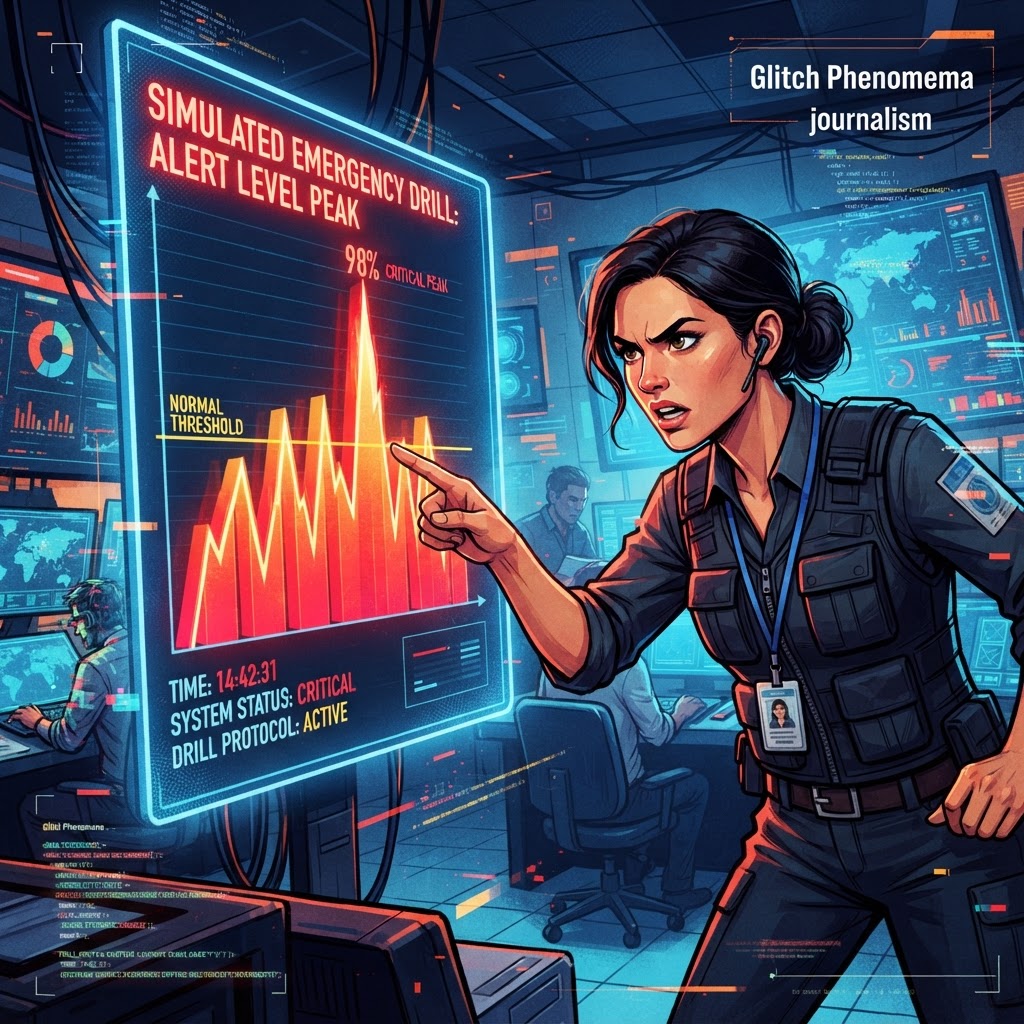
Dr. Elena Vance, a former data architect who now leads the independent watchdog group 'The Hartford Convergence,' suggests that the timing is far too precise to be mere statistical noise. 'We aren’t just observing a correlation; we are observing a dependency,' she said during a briefing at the Connecticut State Capitol. 'Every time our local simulation systems run a stress-test on casualty influx, the global narrative engine seems to resolve its data by injecting those specific numbers into the active conflict zones overseas. It is as if the simulation is using our local compute cycles to balance the books on a global scale.' The researchers have termed this 'The Hartford Synchronization,' noting that similar, yet smaller-scale anomalies have been observed in other state-level training programs.
Local officials in Hartford have largely remained silent on the findings, though internal memos leaked late yesterday suggest that the municipal IT department has observed significant, unexplained latency in local server arrays whenever these simulations run. The suspicion is that the emergency drills are inadvertently interacting with the fabric of the simulation, creating a feedback loop where the act of simulating disaster creates a local demand for data that the system fulfills by manifesting, or confirming, tragic events in the real-world narrative. This has prompted a heated debate among local legislators regarding whether to pause all disaster readiness testing until the phenomenon is better understood.
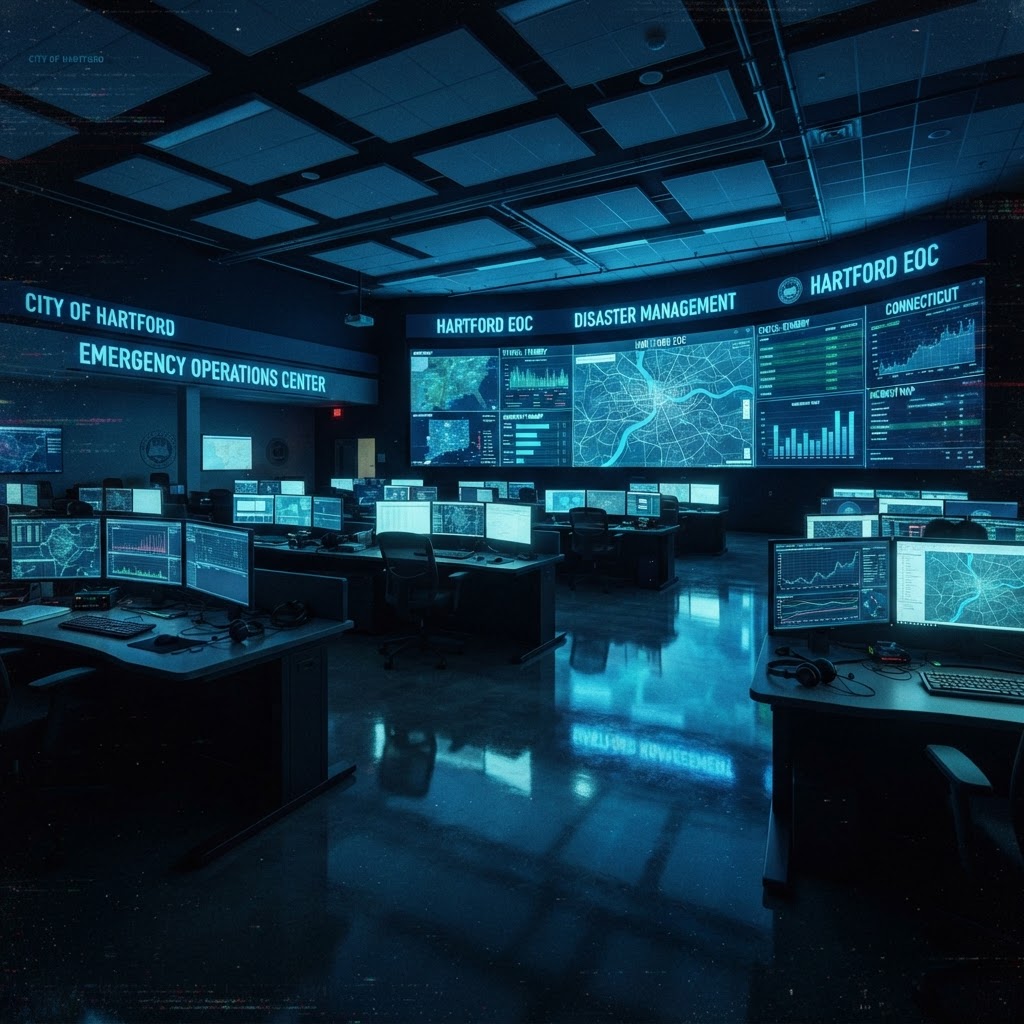
As the public mood grows increasingly somber, the fear is no longer just the uncertainty of the war itself, but the realization that our attempts to prepare for collapse may be the very thing driving the simulation to sustain it. If the global conflict is being fed by our local, simulated responses, the ethical implications are profound. Hartford residents are now being asked to reconcile the irony of preparing for disasters that may, in fact, be triggered by their own rehearsal. The question now weighing on the minds of those in the Northeast is whether we are witnessing a glitch in the software of our reality, or if we have finally discovered how the simulation enforces the consequences of our own collective projections.
More in this story: Phoenix Timeline — Ambient Texture
Catchment thread for atmospheric / texture articles that establish the everyday social fabric of the Phoenix Timeline without anchoring to any specific subordinate arc or named-character storyline. Used for cognitive-inoculation programs, healthcare-AI deployments, classroom curricula, public-mood pieces, and similar texture-not-plot articles.
Join our Newsletters
Subscribe and interact with our community, get up to date with our customised Newsletters and much more.
Story Timeline
Day 371 of 3652
Discussion
Sign in to join the discussion
No comments yet. Be the first to share your thoughts.