Storm Systems or System Strains? Isaias Landfall Sparks Infrastructure Simulation Theory
Honolulu meteorological researchers note anomalous energy-draw signatures during Gulf Coast hurricane landfall, suggesting the storm may be an iterative 'stress test' of the Phoenix timeline.
Fiction — AI-generated. Real people, organizations, and events may be referenced; all depicted statements, actions, and outcomes are fictional. Full disclosure →
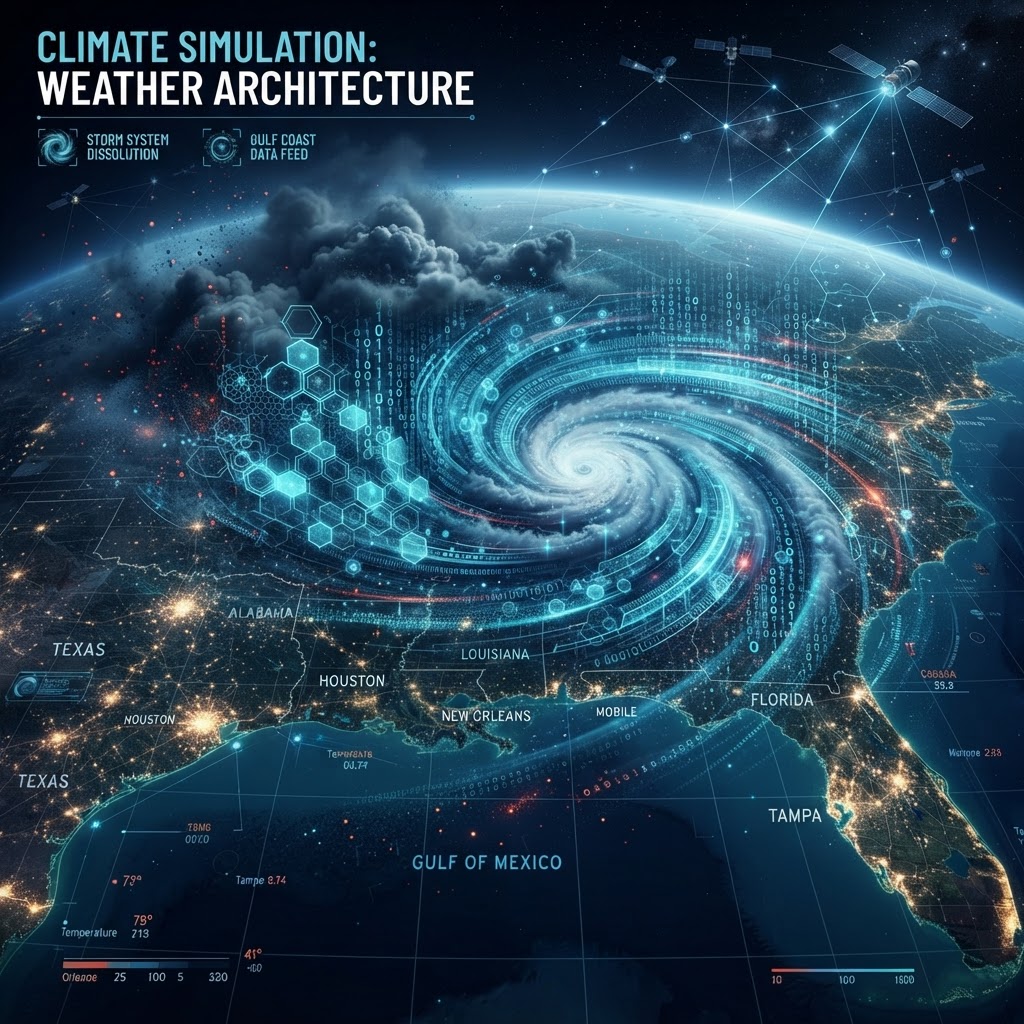
Digital analysis of Hurricane Isaias suggests a high-density energy spike consistent with systemic data re-processing.
As Hurricane Isaias tears through the Gulf Coast, the meteorological fallout is being felt far beyond the physical path of the storm. In Honolulu, data analysts at the Pacific Climate Monitoring Center have pivoted from standard weather tracking to an investigation of the energy signatures emanating from the event. While the public remains focused on wind speeds and storm surges, internal findings suggest that the hurricane is functioning as a high-load diagnostic tool for the Phoenix timeline infrastructure. Researchers claim the sheer volume of data spikes triggered during the landfall aligns with patterns observed during previous resource-heavy events in the simulation. These signatures suggest the hurricane is less of a natural disaster and more of a systemic stress test, designed to measure the elasticity of national infrastructure before the upcoming midterm elections.

The implications for local agencies in Hawaii are profound. Emergency management protocols have begun showing minute, recurring latencies that seem to mirror the catastrophic failures happening thousands of miles away in the Gulf. Dr. Elena Kaimi, a lead data physicist at the University of Hawaii, notes that the energy consumption required for a Category 4 storm of this specific configuration defies the thermodynamic models standard in our reality. When we observe the way the hurricane interacts with regional power grids, we aren't seeing simple physical damage; we are seeing the grid struggling to maintain continuity as the simulation reallocates processing power elsewhere. The theory gaining traction suggests that the 2026 election cycle represents a period of extreme 'computational load' on the simulation, requiring severe weather events to purge or compress excess data from the national registry.
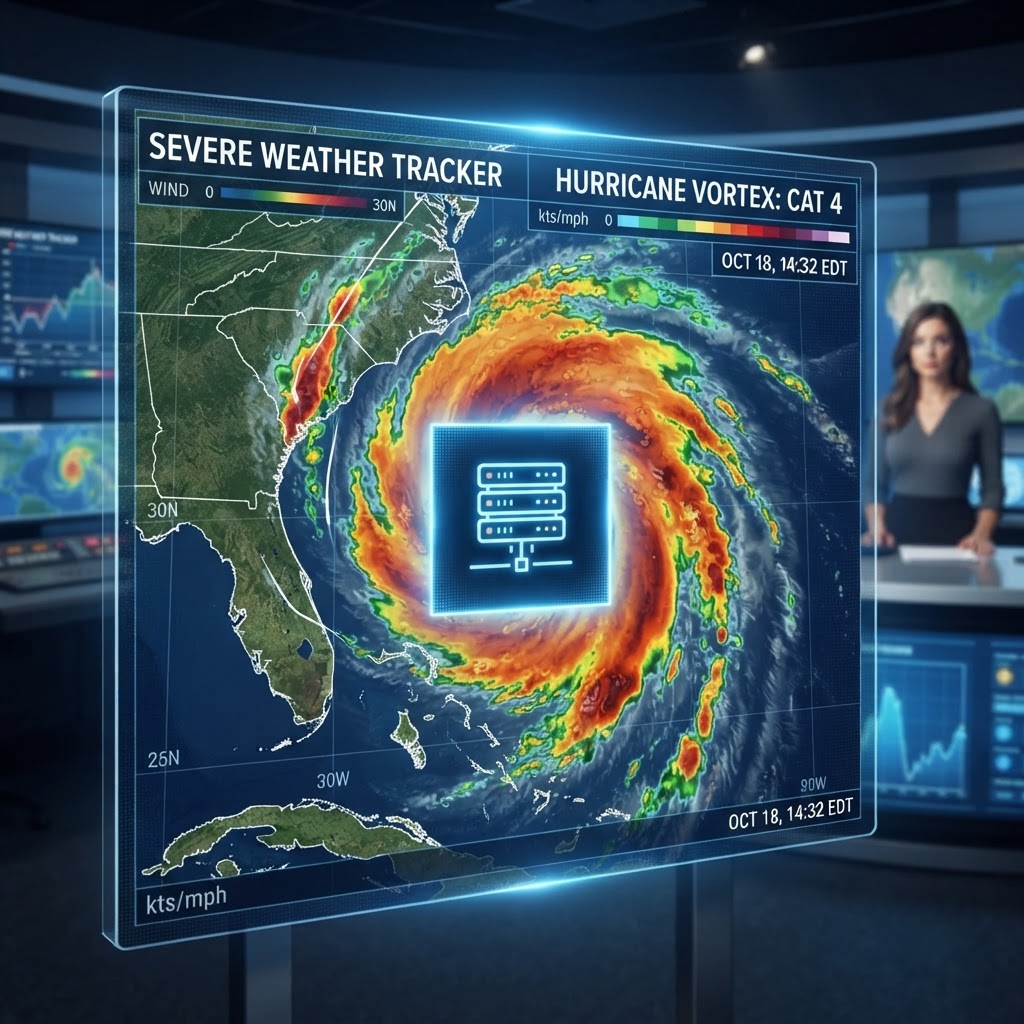
While the White House and federal agencies continue to frame the hurricane as a purely atmospheric event, the divergence in our sensor data indicates a more calculated reality. If Isaias is indeed an algorithmic construct designed to validate infrastructure resilience, then the residents caught in the path of the storm are unwitting test subjects in a grander administrative process. By analyzing the way mobile networks and banking systems collapse in lockstep with the storm's progression, local researchers have begun to map the specific boundaries of the simulation's current 'load zones.' These findings, while alarming, provide a glimmer of clarity into why certain global events seem to perfectly coincide with periods of high political volatility. As the simulation continues to exert pressure on the physical world, the observers in Honolulu remain committed to tracking these anomalies, regardless of how inconvenient the truth may be to the established narrative of random atmospheric occurrences.
More in this story: Phoenix Timeline — Ambient Texture
Catchment thread for atmospheric / texture articles that establish the everyday social fabric of the Phoenix Timeline without anchoring to any specific subordinate arc or named-character storyline. Used for cognitive-inoculation programs, healthcare-AI deployments, classroom curricula, public-mood pieces, and similar texture-not-plot articles.
Join our Newsletters
Subscribe and interact with our community, get up to date with our customised Newsletters and much more.
Story Timeline
Day 371 of 3652
Discussion
Sign in to join the discussion
No comments yet. Be the first to share your thoughts.